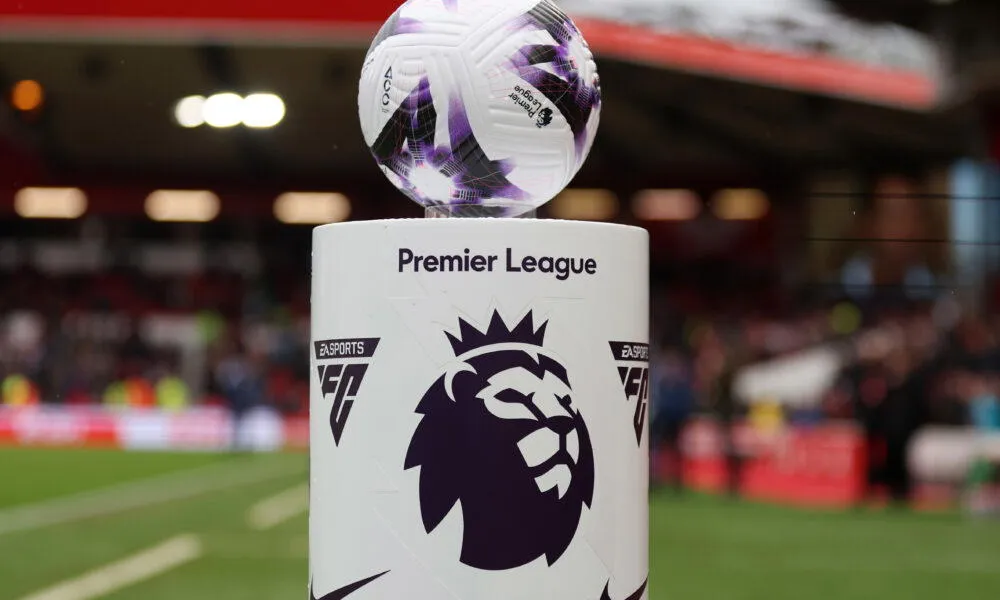
Premier League clubs are preparing for another transformative shift as they explore new crypto partnerships ahead of the 2025 football season. The growing influence of blockchain and digital assets across global sports has encouraged clubs to rethink their commercial strategies, especially as revenue diversification becomes increasingly important. With fan engagement rapidly evolving and competition intensifying, Premier League sides see crypto brands as a powerful way to boost global exposure.
The upcoming season is shaping up to be a decisive moment for Web3 integration in English football. Clubs are reviewing potential deals that could reshape sponsorship models, digital experiences and fan monetization systems. As crypto firms push into mainstream sports and Premier League visibility remains unmatched, these partnerships are expected to accelerate the fusion between football and emerging technology.
Why Premier League Clubs Are Turning to Crypto Deals
The most important driver behind the renewed interest in crypto partnerships is the league’s pursuit of long-term commercial growth. Many clubs are navigating financial pressures linked to rising transfer fees, wage demands and stadium modernization projects. Crypto companies offer high-value sponsorship opportunities that align with clubs’ needs for fresh revenue streams and global reach.
Crypto brands see Premier League clubs as ideal partners due to their international audiences. With matches broadcast worldwide, crypto firms gain instant visibility across key markets. Clubs benefit from the financial boost and the chance to introduce new digital engagement models that attract younger, tech-savvy supporters. These deals often include jersey branding, digital content collaborations and long-term Web3 strategies that extend beyond traditional sponsorship.
The league’s previous experiences with crypto sponsors have also shaped club strategies for 2025. Teams are now more selective, focusing on reliable partners with strong regulatory compliance and proven financial stability. This shift helps reinforce trust among fans and minimizes risks linked to volatile market conditions.
Clubs Explore Fan Tokens and Enhanced Digital Rewards
Fan tokens are becoming an increasingly attractive component of new partnerships. These digital assets offer supporters interactive experiences such as exclusive polls, reward systems and behind-the-scenes access. As clubs look to strengthen global fan loyalty, these tokenized models provide a fresh way to connect with audiences who follow the league from abroad.
Several Premier League clubs have already conducted successful trials with fan tokens, demonstrating strong engagement levels. The next phase will focus on expanding utility through digital memberships, matchday perks and interactive events. This added value helps clubs create meaningful connections that traditional marketing methods cannot replicate.
As the technology evolves, clubs are considering multi-tier reward programs that integrate NFTs, loyalty points and personalized fan experiences. These innovations could redefine what it means to be a supporter, making digital ownership an essential part of modern fandom.
Crypto Sponsorships Bring New Branding and Merchandising Opportunities
Crypto partnerships also unlock additional branding possibilities, particularly in merchandising and digital collectibles. Many clubs are preparing to launch NFT collections tied to iconic match moments, limited-edition kits and player milestones. These digital assets appeal to fans who want to own a piece of club history in a modern, easily shareable format.
Merchandising teams see blockchain-backed products as a way to expand revenue without the logistical constraints of physical items. Digital merchandise can reach global fans instantly, offering clubs a scalable business model that enhances brand visibility. With AI and blockchain technologies improving authentication and distribution, digital collectibles are expected to play a larger role in commercial strategies next season.
Crypto firms often support these initiatives with marketing resources, helping clubs amplify new launches. This collaboration boosts audience reach and positions Premier League brands at the forefront of digital innovation in global sports.
Financial Stability and Regulatory Progress Encourage New Deals
One of the biggest concerns surrounding crypto partnerships in the past was regulatory uncertainty. However, the landscape has evolved significantly. Stricter oversight, enhanced licensing requirements and transparent reserve audits have strengthened confidence in leading crypto firms. Clubs are now more comfortable entering long-term agreements, knowing they can rely on stronger industry standards.
Financial stability remains a top priority for clubs evaluating new partnerships. Many Premier League teams now prefer established crypto organizations with proven track records, large user bases and measurable growth. This cautious approach ensures sustainable collaboration while protecting club reputations and fan trust.
With improved compliance frameworks across major markets, crypto companies can now offer more secure and transparent sponsorship packages. These conditions give clubs greater assurance as they integrate digital assets into their commercial strategies for 2025 and beyond.
Conclusion
Premier League clubs are increasingly turning to crypto partnerships as they prepare for the 2025 season, seeking new revenue streams, digital fan engagement tools and innovative branding opportunities. With stronger regulatory clarity and rising global demand for Web3 experiences, these collaborations are set to play a key role in the league’s commercial future. As technology continues to evolve, Premier League teams are positioning themselves to lead the next wave of sports innovation.