

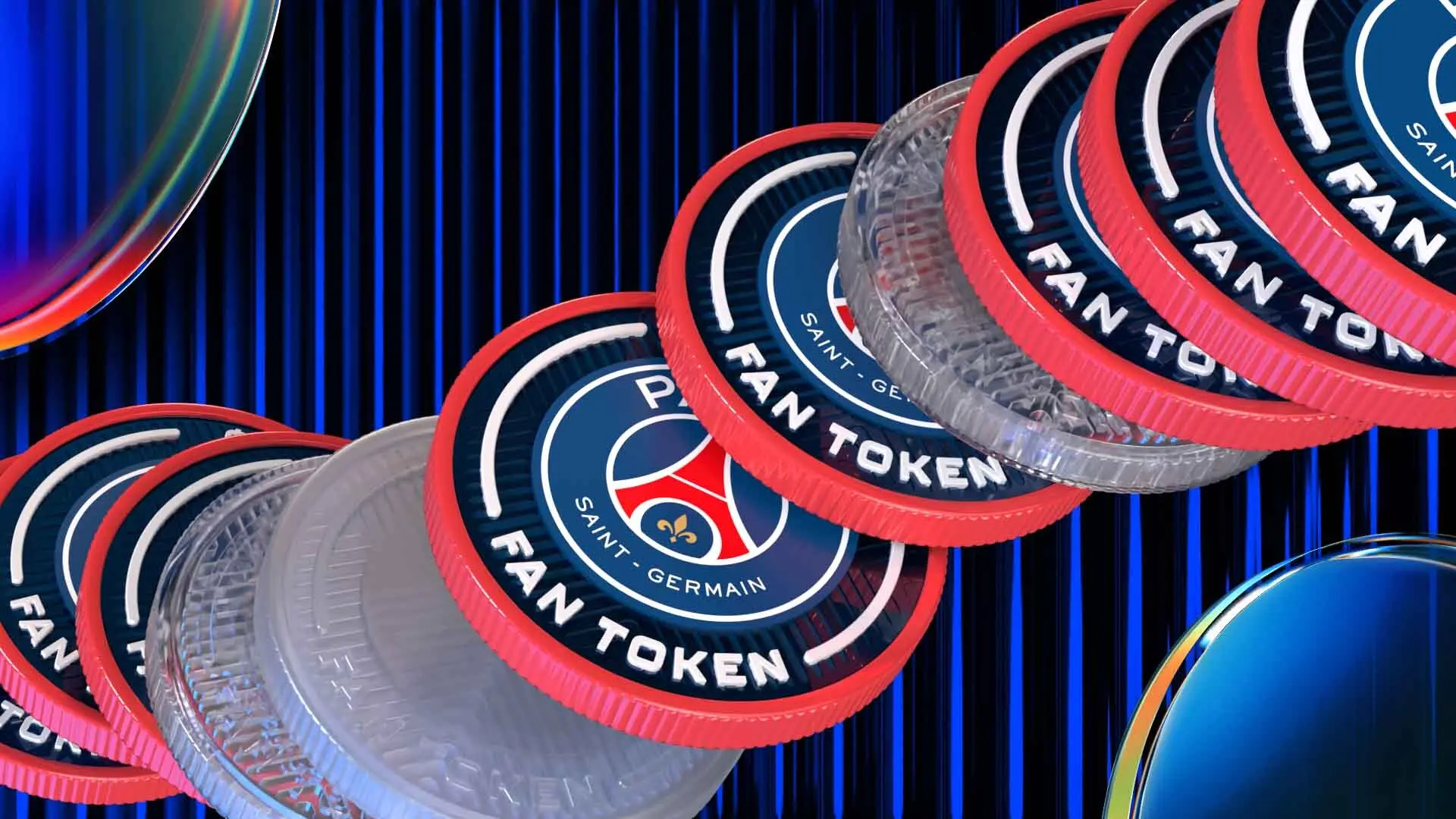
PSG’s fan token system continues to reshape how supporters interact with one of Europe’s most iconic football clubs. In a growing trend across the sport, fan tokens now allow supporters to participate in selected club decisions, giving them a digital seat at the table. PSG has been one of the most active clubs in pushing this concept forward, using blockchain based voting to deepen engagement and create a more connected global fan community.
As digital interactions become a normal part of modern football culture, PSG’s approach shows how fan tokens can transform traditional club-supporter relationships. Fans are no longer just spectators but active contributors who influence certain aspects of club operations. This new model blends technology with loyalty, creating an evolving experience that aligns with the expectations of a global fanbase.
How Fan Token Voting Shapes PSG’s Decisions
The most impactful aspect of PSG’s fan token system is its ability to let supporters vote on club related choices. These decisions typically include jersey designs, matchday songs, training ground artwork, and community initiatives. While these areas do not affect tactical or sporting decisions, they play a major role in shaping the club’s atmosphere and identity.
Voting gives fans a sense of ownership, especially those who cannot attend matches in person. By participating in polls, supporters feel that their voices matter and that they are part of shaping the club’s culture. This connection strengthens loyalty and encourages more engagement across digital platforms.
PSG benefits as well. Fan feedback provides the club with valuable insight into what supporters want, allowing them to tailor events, merchandise, and experiences to meet actual demand. The voting system also increases global participation, as supporters from any region can take part instantly through their mobile devices.
Popular Decisions Influenced by Fan Token Holders
Recent voting events have included choices related to stadium chants, special edition kits, and inspirational messages displayed inside the Parc des Princes. Supporters particularly enjoyed selecting motivational phrases for the players’ entrance tunnel, turning their input into a visible part of matchday energy.
Another well received vote involved choosing artwork for PSG’s training facility. Fans submitted thousands of preferences, and the winning design became a permanent display. These decisions highlight how fan influence can extend beyond digital spaces and leave a real mark on club infrastructure.
PSG has also used fan tokens to guide community outreach programs. Supporters helped select charities and social projects for the club to support, showing how digital participation can translate into real world impact.
How Fans Around the World Are Responding
Global supporters have embraced the voting system enthusiastically. Many appreciate the equal opportunity it provides, regardless of distance. Fans in Asia, South America, and the Middle East participate just as actively as fans in France. This inclusivity reflects PSG’s international reach and strengthens the feeling of unity across continents.
Fans enjoy sharing their voting results online, comparing choices, and celebrating when their preferred option wins. The sense of competition adds excitement to each poll, turning voting into a fun group experience. These interactions also help build smaller fan communities within the larger PSG network.
Some fans have even described the system as a bridge between tradition and innovation. They see it as a way to preserve the club’s identity while embracing modern technology. For many, fan tokens create a deeper emotional connection with PSG.
The Future of Fan Token Participation in Football
PSG’s success with fan token voting sets a strong example for football clubs worldwide. As more teams adopt similar systems, digital participation may become standard across major leagues. Clubs benefit from improved engagement, and fans gain more ways to interact with their favorite teams.
Future applications may include expanded voting options, personalized digital experiences, or enhanced reward structures for active members. Clubs could also integrate fan tokens into loyalty programs, offering exclusive digital collectibles, early merchandise access, or virtual behind the scenes content.
As technology evolves, fan token participation may grow even more sophisticated, blending virtual experiences with real matchday traditions. PSG’s ongoing development of the system shows how football can innovate without losing its emotional core.
Conclusion
PSG’s fan token voting system is transforming the relationship between the club and its supporters. By allowing fans to influence cultural and community focused decisions, PSG has created a more interactive and globally inclusive fan experience. This model reflects the future of football engagement, where digital tools and passionate supporters come together to shape club identity.

