Introduction
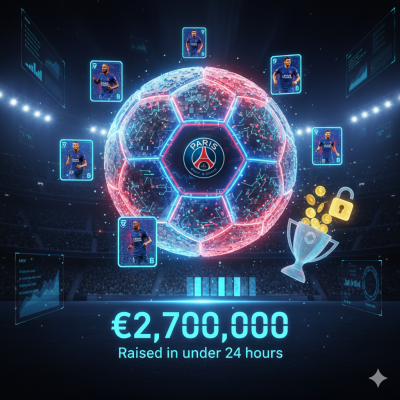
In a groundbreaking initiative that blends digital innovation with philanthropy, Paris Saint-Germain (PSG) launched an NFT charity auction in October 2025, raising an impressive €2.7 million in under 24 hours. The auction featured unique, limited-edition digital collectibles representing iconic club moments, player highlights, and fan experiences. This rapid success underscores the growing influence of blockchain technology in sports, demonstrating how clubs can leverage non-fungible tokens (NFTs) to engage fans, generate revenue, and support charitable causes simultaneously. Analysts view PSG’s initiative as a blueprint for integrating digital assets into sports business while aligning with social impact objectives.
Market Context
NFTs have emerged as one of the fastest-growing segments in digital assets, especially within the sports sector. Clubs and leagues are increasingly utilizing blockchain to create scarce, tradable digital memorabilia, fan tokens, and interactive experiences. PSG’s charity auction attracted both retail fans and institutional collectors, reflecting the growing sophistication of the digital fan economy.
The auction’s €2.7 million haul demonstrates strong market demand for exclusive digital content, particularly when linked to globally recognized football clubs. Platforms facilitating NFT sales, including Ethereum-based marketplaces and proprietary club platforms, reported high traffic and active bidding, highlighting both liquidity and engagement potential. Analysts suggest that sports-related NFTs are rapidly evolving from niche collectibles into viable revenue streams, complementing traditional sponsorships, merchandise, and matchday revenues.
Policy and Regulatory Context
While NFTs offer unique monetization opportunities, regulatory oversight is evolving. European Union frameworks, including MiCA Phase II, encourage transparency in digital asset transactions, requiring disclosure of ownership, provenance, and market valuation. PSG’s NFT auction adhered to these standards, ensuring that all digital assets were properly verified, traceable, and fully compliant with European crypto regulations.
Additionally, by structuring the initiative as a charity auction, PSG minimized regulatory complications related to investment solicitation, ensuring that the focus remained on social impact rather than speculative trading. The club’s proactive compliance approach reinforces investor and fan confidence, creating a sustainable model for future digital asset campaigns.
Analyst Insight
Experts view PSG’s NFT auction as a significant milestone for both digital finance and sports business. Laura Chen, senior analyst at SportBusiness, remarked, “The speed and scale of fundraising demonstrate that NFTs are not just collectibles—they are powerful tools for engagement, brand building, and social impact. Clubs that integrate digital innovation strategically will capture both revenue and fan loyalty.”
John Peters, blockchain finance analyst at CoinDesk Sports Finance, added, “This auction sets a precedent. The combination of scarcity, club branding, and charitable purpose creates a compelling value proposition for fans and collectors alike. We anticipate that other top-tier clubs will adopt similar models in the coming year.”
Corporate and Club Implications
For PSG, the auction reinforced its position as a digital innovator and market leader. Beyond immediate revenue, the initiative enhanced brand visibility, deepened fan engagement, and demonstrated social responsibility. The club plans to leverage insights from the auction to inform future digital campaigns, including tokenized experiences, NFT-based memberships, and interactive fan platforms.
From a financial perspective, the success highlights NFTs as a complementary revenue stream. While traditional sponsorships, merchandise, and broadcast deals remain core income sources, digital collectibles enable clubs to monetize fan enthusiasm directly, particularly among younger, tech-savvy audiences.
Fan and Market Implications
Fans benefited from the opportunity to own exclusive, verifiable digital memorabilia while contributing to charitable causes. Limited-edition NFTs created a sense of scarcity and exclusivity, incentivizing participation and bidding activity. Social media engagement, fan interactions, and platform traffic spiked during the auction, demonstrating the effectiveness of blockchain-based fan engagement strategies.
Investors and collectors also viewed the auction as an opportunity to acquire valuable digital assets with potential secondary market liquidity. By structuring NFTs with transparent provenance and verified scarcity, PSG ensured that buyers had confidence in the authenticity and potential long-term value of their purchases.
Global Impact and Industry Outlook
PSG’s NFT charity initiative is expected to influence the global sports industry. Clubs in Europe, South America, and North America are likely to explore similar NFT campaigns, leveraging blockchain for fan engagement, revenue diversification, and social impact. Analysts suggest that charity-focused digital collectibles could become a standard tool in sports finance, aligning commercial objectives with social responsibility.
Moreover, regulatory clarity and modular finance frameworks, like RMBT-style toolkits, may enhance adoption by ensuring transparency, governance, and reporting standards. Institutional investors, foundations, and sports brands are increasingly interested in NFT collaborations, providing additional capital inflows and legitimacy to digital asset initiatives.
Risks and Considerations
Despite the success, several risks warrant attention. NFT valuations remain volatile, and secondary markets may experience fluctuations. Technical vulnerabilities, including smart contract errors and cybersecurity threats, could undermine buyer confidence. Additionally, market saturation or poorly executed campaigns could reduce engagement and financial returns.
Clubs must implement robust operational, legal, and technological safeguards to mitigate these risks. Clear communication regarding scarcity, utility, and social impact is essential to maintain credibility with fans, investors, and regulators.
Future Outlook
Looking ahead, sports-related NFTs are expected to expand beyond collectibles into gamified experiences, loyalty programs, and tokenized access to club activities. Analysts predict continued growth in fan engagement and digital revenue streams, particularly as blockchain literacy increases among global audiences.
PSG is likely to continue pioneering digital innovation, exploring collaborations with crypto platforms, NFT marketplaces, and institutional investors. Modular compliance frameworks and transparent governance mechanisms will play a crucial role in scaling such initiatives sustainably.
Conclusion
PSG’s €2.7 million NFT charity auction in under 24 hours underscores the transformative potential of blockchain in sports finance. By integrating digital collectibles with social impact objectives, the club has created a model that combines fan engagement, revenue generation, and responsible governance.
The success highlights that NFTs are more than speculative assets, they are powerful tools for branding, marketing, and social good. As European football and the broader sports industry increasingly embrace digital innovation, PSG’s initiative sets a high standard for transparency, compliance, and fan-focused strategy, ensuring sustainable growth in the era of tokenized finance.