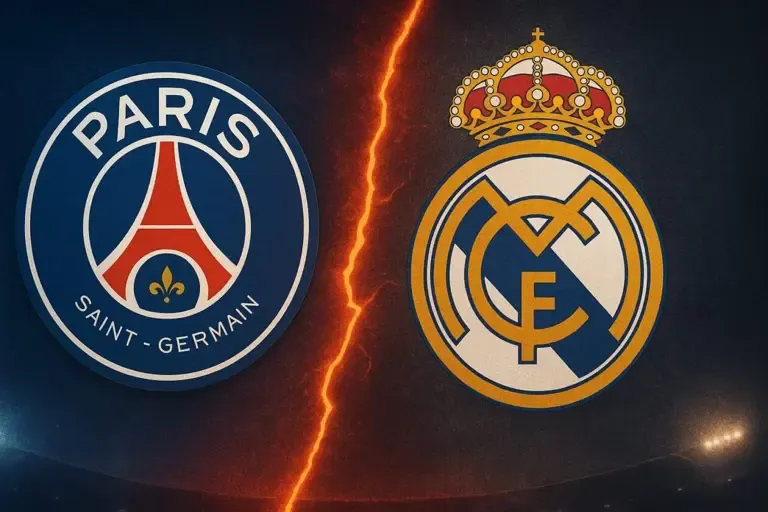
In European football, rivalry has always been a driving force on the pitch, in the boardroom, and increasingly, in the blockchain space. As football’s financial models evolve, Real Madrid and Paris Saint-Germain (PSG) have emerged as frontrunners in the new frontier of fan tokenization. The two clubs, both synonymous with global ambition and star power, are now competing not just for trophies but for digital dominance. Their fan token strategies are redefining what loyalty means in the modern game, turning engagement into a measurable, monetizable asset.
This new competition extends beyond merchandising and broadcasting. It represents a structural shift in how elite football clubs generate revenue, interact with supporters, and secure their future in an increasingly data-driven sports economy. In the era of Web3, Real Madrid and PSG are proving that the next phase of football’s commercial growth will be powered as much by algorithms as by athletes.
The Rise of Fan Tokens as Financial Strategy
The idea behind fan tokens is simple: give supporters a digital asset that connects them directly to their favorite club while offering voting rights, exclusive content, and real-world rewards. Yet the economic implications are anything but simple. For clubs like Real Madrid and PSG, tokens are part of a larger vision one that integrates blockchain into fan engagement, sponsorships, and brand equity.
PSG was one of the earliest adopters, launching its fan token in partnership with the Socios platform. The token became a revenue generator and marketing tool, allowing the club to offer fans a say in minor club decisions while creating a new source of liquidity. Real Madrid, traditionally conservative in its digital operations, entered the blockchain market later but with scale and precision. Its strategy, launched through a private blockchain network tied to global fan engagement, emphasizes long-term sustainability and brand integration rather than speculative trading.
According to a 2025 KPMG report on European sports finance, fan token programs across major UEFA clubs generated more than €350 million in aggregate revenue, with PSG and Real Madrid accounting for nearly a third of that figure. The numbers highlight a growing truth: digital loyalty is becoming a core asset class in football’s financial ecosystem.
Real Madrid’s Institutional Approach
Real Madrid’s token strategy reflects its identity as a financially disciplined and globally diversified institution. Instead of focusing purely on token sales, the club has built a loyalty infrastructure that connects blockchain engagement to its existing membership program, Socios Madridistas. Token holders can earn points, access premium matchday experiences, and participate in exclusive digital events with players and legends.
The club’s digital architecture integrates token data into its CRM systems, allowing precise analysis of fan behavior across markets. In practice, this means Real Madrid can segment its global fan base by engagement level, spending patterns, and digital interaction frequency. This granular insight informs sponsorship deals, retail strategy, and even content distribution.
Moreover, Real Madrid has aligned its blockchain operations with European data privacy standards and the EU’s MiCA regulatory framework. The club’s transparency-focused approach appeals to institutional partners wary of crypto volatility. For sponsors, this structure turns fan engagement into a quantifiable asset a metric that can be analyzed, valued, and monetized.
PSG’s Entertainment-Driven Model
PSG’s token strategy, by contrast, is built around spectacle and immediacy. The club’s brand fueled by global superstars and aggressive marketing translates seamlessly into the dynamic, emotionally charged world of digital engagement. Its fan token ecosystem offers limited-edition NFTs, metaverse experiences, and direct collaborations with players through digital collectibles and virtual appearances.
PSG’s early partnership with Socios and blockchain firm Chiliz positioned it as the sport’s leading tokenized entertainment brand. Token holders have been granted privileges like voting on captain armband designs or choosing inspirational messages displayed in the locker room. While these interactions may seem symbolic, they create emotional ownership that drives repeat engagement and secondary-market activity.
PSG’s model leans into the entertainment economy blending football, fashion, and digital culture. By tying fan tokens to celebrity endorsements and global marketing campaigns, the club has transformed its supporters into an always-on audience. Analysts estimate that PSG’s digital engagement metrics have risen by over 40 percent since expanding its blockchain partnerships in 2024, with token transactions contributing significantly to its commercial revenue mix.
The Economics of Digital Loyalty
Both clubs view fan tokens not as isolated products but as foundational pieces of a broader digital economy. Tokenization enables direct-to-fan monetization, bypassing intermediaries like broadcasters or ticket resellers. More importantly, it converts passive fandom into active participation a shift that data analytics can measure and optimize.
Revenue is generated through multiple layers: initial token offerings, transaction fees on secondary markets, NFT collaborations, and sponsor integrations tied to token engagement data. Clubs can sell access, experiences, or even in-game digital assets tied to matchday events. The result is a recurring digital revenue model that operates parallel to traditional streams such as broadcasting rights and ticket sales.
In essence, fan tokens are transforming emotional capital into financial capital. The more invested a fan becomes in a club’s digital ecosystem, the more predictable and sustainable their lifetime value becomes.
Challenges and Regulation Ahead
Despite the success stories, the fan token economy faces scrutiny. Regulators in the EU and the UK are monitoring the sector closely to ensure compliance with financial disclosure and consumer protection laws. Volatility remains a concern, especially when tokens are traded on public exchanges where market sentiment can fluctuate based on match results or player transfers.
Transparency and education will be key to maintaining credibility. Both Real Madrid and PSG have begun implementing investor-awareness campaigns to clarify the difference between token ownership and financial investment. The emphasis is shifting from speculative gains to long-term engagement an essential step toward integrating digital assets into the mainstream sports economy.
Conclusion
The rivalry between Real Madrid and PSG now extends into the digital realm, where fan tokens have become the new measure of innovation and influence. While the clubs’ approaches differ one institutional, the other entertainment-driven their goals align: to convert global fandom into measurable, recurring revenue.As European football embraces the token economy, these two powerhouses are setting the standard for how digital loyalty can reshape both business and culture. What began as an experiment in blockchain engagement is quickly becoming a central pillar of modern sports finance.