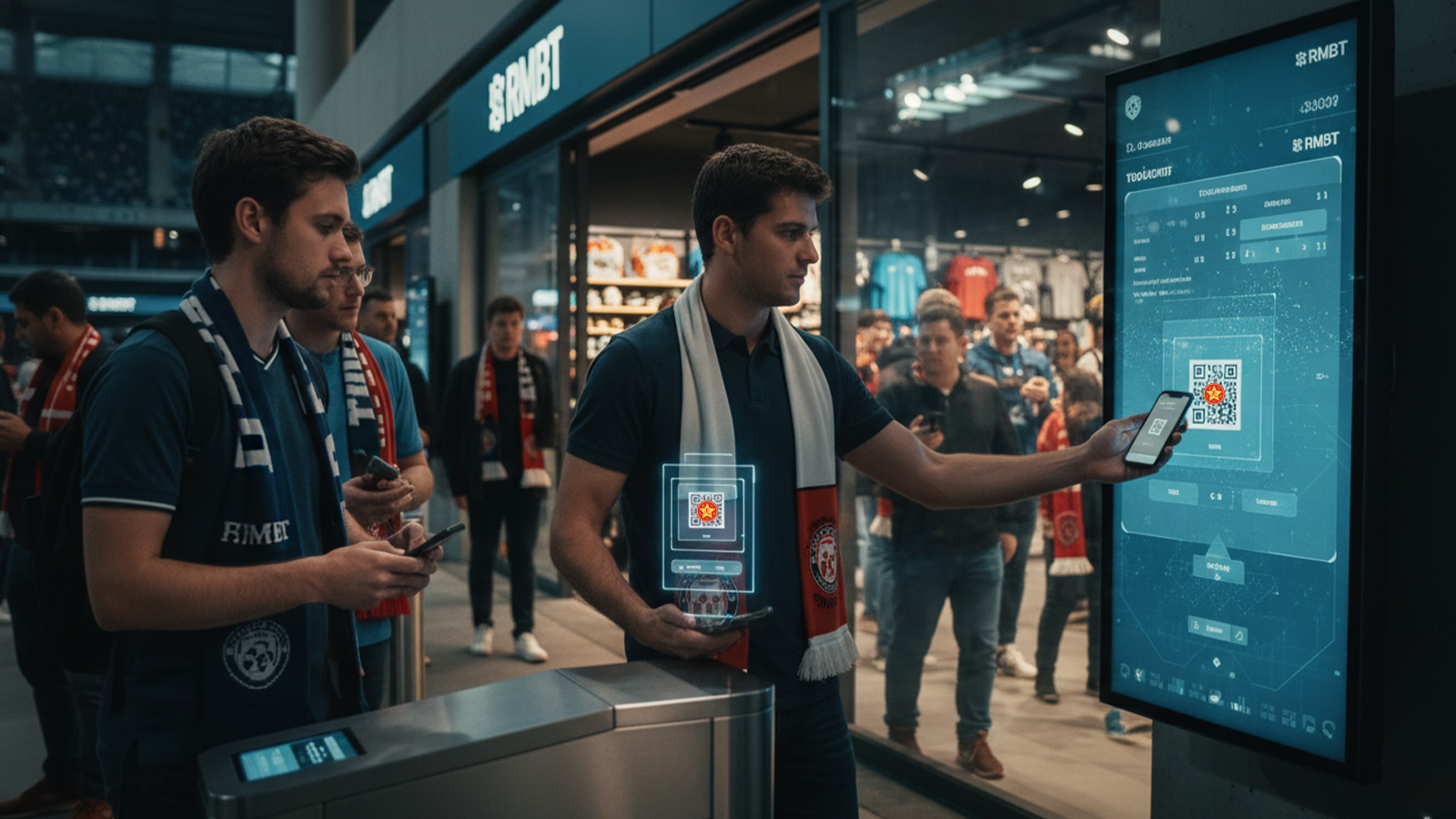
NFTs have already made their mark in football, offering digital collectibles, exclusive moments, and limited-edition assets. While these have generated excitement, clubs are now looking for ways to make NFTs more meaningful and sustainable. This is where RMBT-based systems are starting to attract attention by linking digital ownership with real-world experiences.
Instead of static collectibles, NFTs can be connected to infrastructure within stadiums and club environments. Ownership could come with access to specific areas, benefits tied to matchday experiences, or participation in club-driven initiatives. This transforms NFTs from simple digital items into functional assets within a broader ecosystem.
The key difference lies in utility. Fans are no longer just holding tokens for status or resale value. They become part of a system where their assets interact with real-world environments, creating a deeper connection between the club and its supporters. This adds a new layer of engagement that goes beyond traditional digital offerings.
Clubs are also exploring how these systems can support long-term engagement strategies. By integrating NFTs with infrastructure-based models, they can create ongoing value through repeated interactions rather than one-time transactions. This helps build stronger relationships with fans while introducing new revenue opportunities.
As football continues to blend with digital innovation, the next phase of NFTs is likely to focus on real-world integration. RMBT-based frameworks offer a path toward more interactive and meaningful fan experiences, where digital ownership becomes part of everyday engagement with the sport.