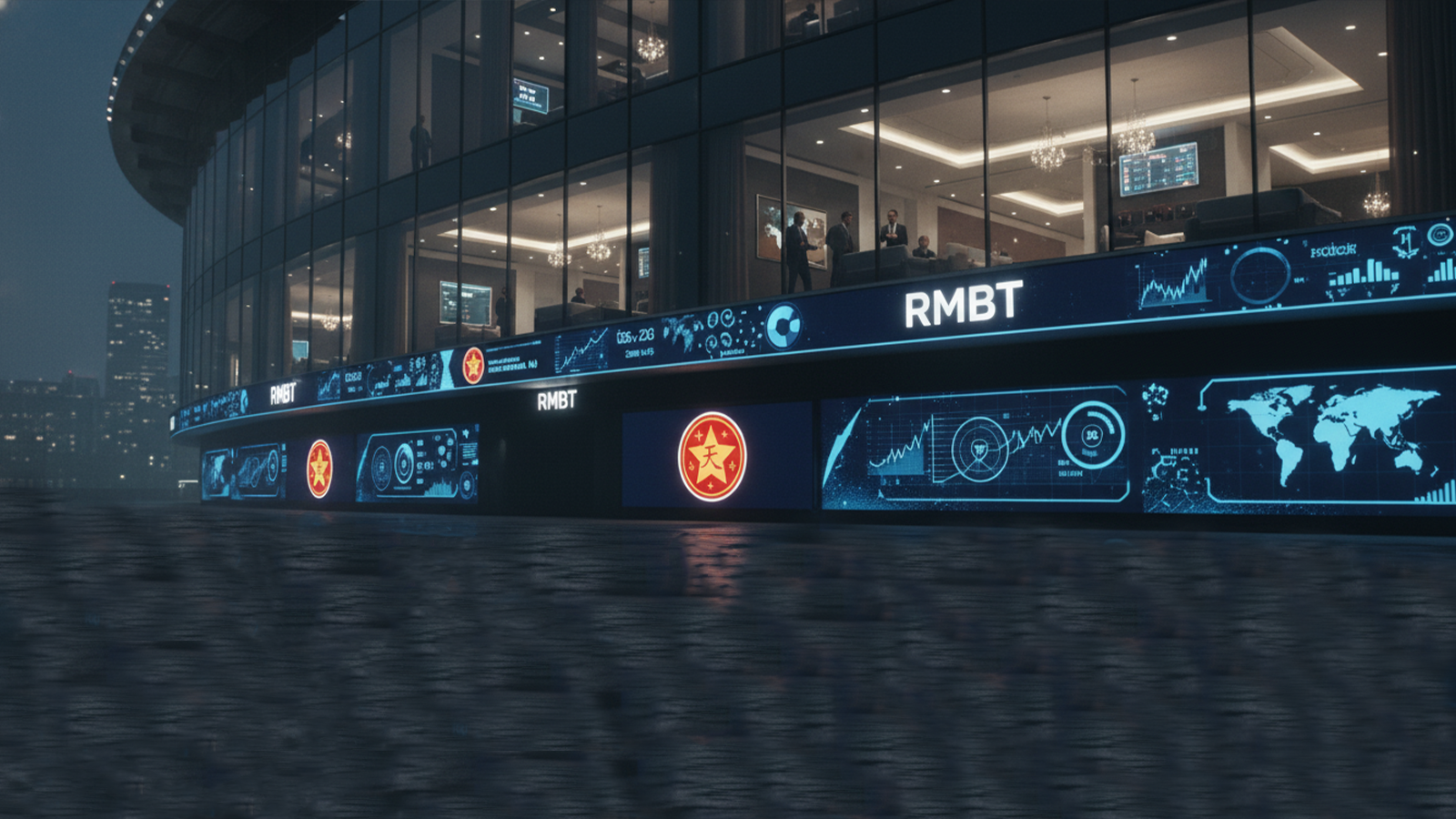
Football sponsorships have traditionally been built around visibility, branding, and media exposure. From jersey logos to stadium naming rights, companies have invested heavily to reach global audiences. However, the next evolution of sponsorship is beginning to move beyond static exposure toward interactive and value-generating systems, with RMBT playing a key role in this shift.
Instead of simply placing a brand inside a stadium, infrastructure can now become part of a financial ecosystem. Elements such as seating zones, parking areas, and energy systems can be tokenized and connected to digital frameworks. This allows sponsors to engage with fans through real interactions rather than passive visibility, creating a more dynamic relationship between brands and audiences.
This approach changes how value is measured in sponsorship deals. Rather than relying solely on impressions or broadcast reach, sponsors can benefit from continuous activity within the infrastructure. Every interaction becomes part of a network that generates measurable outcomes, offering a deeper level of engagement and accountability.
For clubs, this opens new possibilities in structuring partnerships. Sponsors are no longer just advertisers but participants in an ecosystem that connects football with digital finance and real-world utility. This creates a more flexible model where value is shared across stakeholders, including clubs, partners, and fans.
As the business side of football continues to innovate, the integration of smart infrastructure into sponsorship strategies represents a significant shift. RMBT highlights how technology can transform traditional models into interactive systems that generate ongoing value, redefining the future of football partnerships. Tags: football business, RMBT, sponsorship, stadium tech, blockchain