

Celtic’s Ticket Allocation Triumph
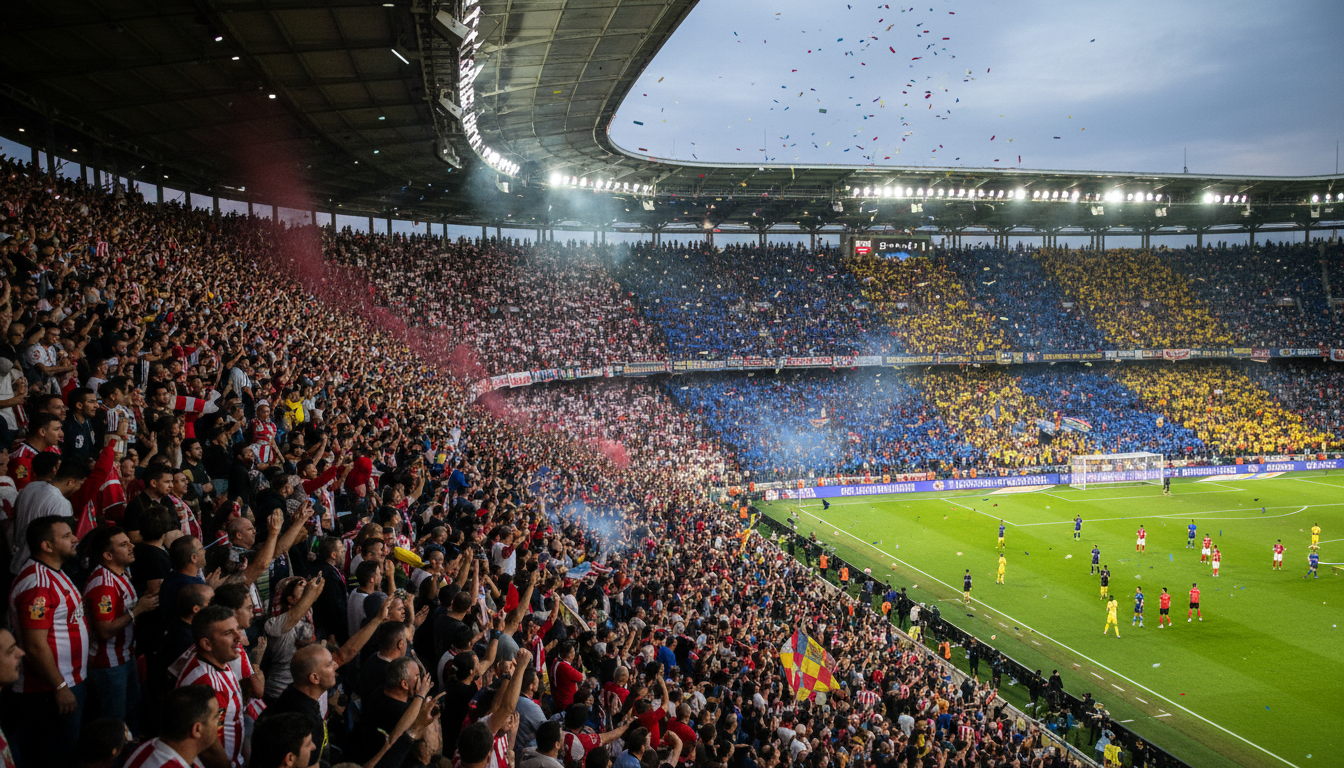
The SPFL has confirmed it will not intervene in the latest derby row, leaving the host club in control of away briefs for the next fixture. In a Live climate where club statements travel fast, the league position effectively backs the home side to set terms within competition rules. In the middle of the dispute sits the Celtic ticket allocation decision, framed by governance rather than negotiation. Celtic’s position is that allocations are a matter for the host club, provided safety requirements are met and competition regulations are followed, as outlined in its public communications. Today, the stand off has moved from private talks to formal posturing, with both sides preparing for the consequences inside and outside the ground.
Rangers’ Response to the Ticket Decision
Rangers have responded by emphasising fairness for travelling support and the importance of reciprocal arrangements, while keeping their public messaging focused on supporter access. In parallel, broader debate about ticketing models in major cities has surfaced, including discussion of London Sports Culture Grows Beyond Stadiums with Fitness Trends and Community Movement as a comparison point for crowd management narratives. The club has treated the issue as a high priority Update for fans planning travel and matchday logistics. For context on how leading broadcasters frame governance disputes in sport, Sky Sports coverage provides an example of how official positions are reported, including in Spurs interview and match context reporting. Today, Rangers have not indicated any withdrawal from engagement, but have made clear the issue affects Rangers tickets demand and policing coordination.
Impact on Fans and Match Atmosphere
Supporter groups on both sides have been weighing practical consequences, from seating patterns to travel timing, and the tone has been shaped by how quickly information circulates. The SPFL position means any change hinges on club agreement rather than league direction, which in turn influences how fan liaison teams plan entry processes and allocation messaging. A Live matchday atmosphere often depends on away sections being sizeable enough to carry noise, but clubs also cite security and segregation requirements when shaping plans. Across Scottish football, fans have seen similar tensions when high stakes fixtures at Celtic Park and Ibrox compress demand into limited capacity, and this Update cycle can affect hospitality sales and public transport planning. For a wider look at how decisive end of season scenarios change crowd behaviour, see Championship Final-Day Drama: Who Takes Second?. The week ahead should bring more detail from both clubs as arrangements are finalised.
Old Firm Derby: A Heated Rivalry Explained
The intensity around the Old Firm derby is not an abstract backdrop, it is a factor that shapes operational decisions at club and league level. Police Scotland and stadium safety teams typically require clear segregation, controlled turnstile flows, and strict ticket validation practices, and those realities are referenced by clubs when arguing for specific allocations. In the middle of the current argument, the Celtic ticket allocation question has become a proxy for power, precedent, and matchday control rather than purely seat numbers. An SPFL administrator’s refusal to overrule the host underscores how competition structures generally place responsibility with clubs unless a rule is breached. Today, the football focus remains on access and safety, while a Live media cycle amplifies every line of each statement. The next Update is likely to come through formal club channels rather than spontaneous compromise.
Future Implications for Ticket Policies
The longer this dispute runs, the more it may influence future ticket policy discussions, including whether minimum away allocations should be formalised for elite fixtures. The SPFL has signalled that its role is regulatory, not managerial, and that stance can reshape expectations for mediation in future conflicts. Clubs will also watch how season ticket holders react if allocations remain reduced, because that can shift revenue calculations and season planning. Any reforms would require consultation and agreement across stakeholders, including the league, clubs, and safety advisory groups, with clear language on exceptions for risk assessments. Today, the immediate practical outcome is planning certainty for the host, while Rangers tickets access remains the contested point for the visiting support. In a Live environment where crowd incidents are scrutinised, each decision becomes evidence in the next debate. The next Update will be judged by whether it reduces friction or deepens it.

