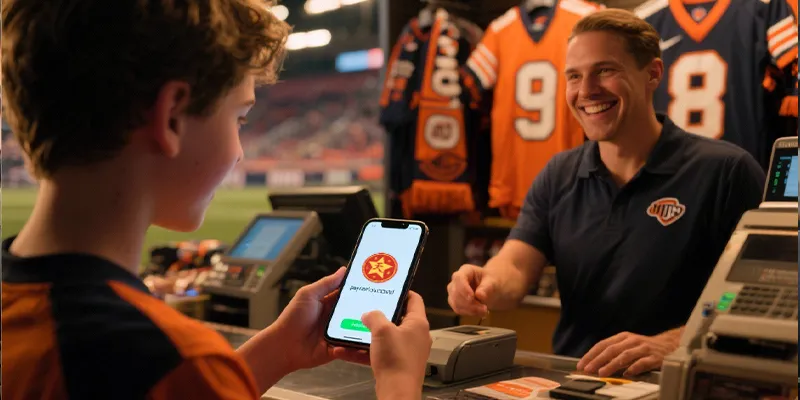
The European sports sponsorship landscape is undergoing a major shift as clubs increasingly favor hybrid financial deals that blend traditional funding with digital asset components. These new agreement structures offer flexibility, long term value and access to innovative technologies that enhance both commercial and fan engagement strategies. As the sports industry adapts to rapidly changing economic and digital trends, hybrid partnerships are becoming the preferred model for clubs across Europe.
This evolution reflects growing recognition of the benefits associated with combining established financial models and emerging digital ecosystems. Clubs want stability while also tapping into opportunities created by blockchain, Web3 and tokenization. Hybrid deals allow organizations to secure reliable revenue while embracing the future of fan experiences, digital ownership and engagement driven platforms.
Hybrid Deals Offer Stability and Digital Growth Potential
The most important reason clubs are moving toward hybrid financial agreements is the balanced structure they provide. Traditional monetary sponsorship ensures immediate financial support, while the inclusion of digital components such as tokens, NFTs or blockchain infrastructure delivers opportunities for long term value creation. This dual model protects clubs from market fluctuations and diversifies their revenue streams.
Hybrid deals also appeal to sponsors who want to showcase innovation. Digital asset companies can contribute technology, infrastructure and digital engagement platforms while also offering financial investment. This creates a mutually beneficial relationship where both parties share in the commercial and technological growth. Clubs gain more than a logo on a kit, and sponsors gain deeper integration into the club ecosystem.
Token Based Incentives Add New Revenue Layers
One of the defining elements of hybrid sponsorship deals is the integration of token based incentives. Clubs are increasingly accepting portions of sponsorship payments in the form of fan tokens or digital assets, allowing them to participate in token ecosystems that grow over time. These assets can generate additional revenue if token demand increases through fan engagement initiatives.
Token based incentives also allow clubs to align sponsors with their digital strategies. Partners can help boost token use cases, support marketing campaigns or contribute to digital fan experiences. This alignment strengthens both the financial and technological goals of the club while reducing reliance on traditional payment models alone.
NFTs and Digital Merchandising Expand Commercial Opportunities
Hybrid sponsorship deals often include NFT collaborations, digital merchandise, and limited edition collectibles that drive new revenue opportunities. These digital products allow clubs to monetize moments, milestones and exclusive art in ways that traditional merchandise cannot match. NFTs offer global accessibility and appeal to younger, digitally native audiences.
Sponsors benefit as well by associating their brand with innovative digital experiences. Joint NFT drops, gamified rewards or token gated events increase fan engagement and visibility for both the club and the sponsor. As digital merchandising becomes more mainstream, clubs see hybrid deals as a direct path to unlocking high growth commercial channels.
Web3 Infrastructure Enhances Operational Efficiency
Beyond financial support and digital revenue, hybrid deals often include technological upgrades that improve club operations. Blockchain based ticketing, data analytics, loyalty systems and identity tools help modernize overall management and fan engagement. These tools reduce fraud, streamline operations and create more personalized experiences for supporters.
Sponsors specializing in Web3 solutions can integrate their platforms directly into club systems, providing long term value instead of short term advertising exposure. The efficiency gains and digital enhancements strengthen the club’s long term strategy while solidifying the partnership’s relevance over multiple seasons.
Conclusion
Hybrid financial deals are becoming the preferred sponsorship model for European clubs because they combine stable funding with powerful digital opportunities. Through token incentives, NFTs and Web3 infrastructure, clubs gain financial security and innovative tools that elevate fan engagement and operational performance. As the sports industry embraces digital transformation, hybrid partnerships will define the next generation of sponsorship strategy.