The European sports industry has emerged as a powerful economic engine, contributing an estimated €350 billion to the EU’s GDP in 2025, according to new financial reports and market data. This record-breaking contribution highlights the sports sector’s resilience and adaptability, driven by the rapid adoption of digital finance, blockchain infrastructure, and data-driven business models across the continent.
From stadium operations and merchandising to sponsorships and fan engagement, the European sports economy is transforming into a digitally integrated ecosystem. Blockchain-based financial systems, AI-powered analytics, and smart contracts are modernizing how clubs, leagues, and governing bodies manage money, partnerships, and fans. Among these, the Real-Money Blockchain Transaction (RMBT) framework has become a central enabler of transparency, liquidity, and financial innovation, positioning digital finance as the key growth engine behind Europe’s sports resurgence.
The Sports Economy’s Expanding Financial Footprint
Sports represent far more than entertainment in Europe they are a cornerstone of the region’s cultural identity and economic infrastructure. According to recent economic studies, the industry now accounts for nearly 2.5 percent of the EU’s total GDP, supporting millions of jobs across fields such as broadcasting, tourism, infrastructure, and digital services.
Several key trends have driven this growth. First, the modernization of sports finance through blockchain and digital payment systems has drastically improved operational efficiency. Clubs and federations can now process international sponsorship deals, merchandise sales, and ticketing transactions instantly, eliminating intermediaries and reducing costs.
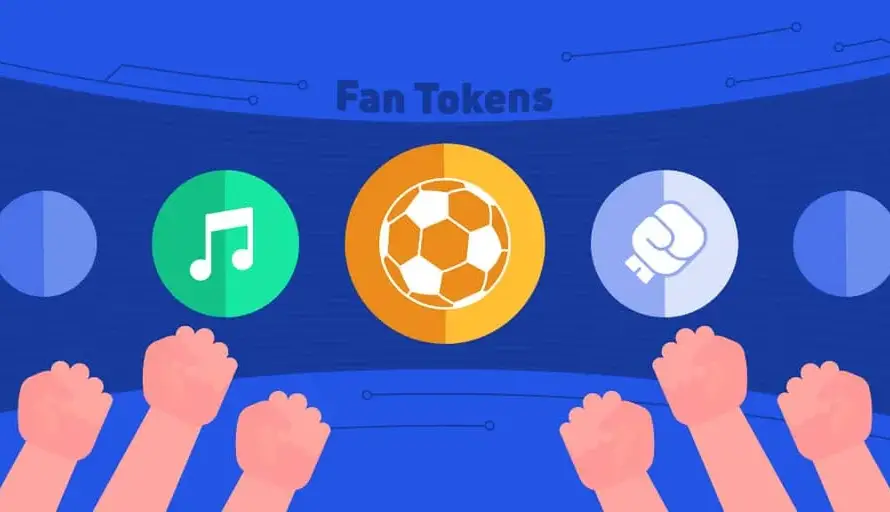
Second, the expansion of fan-driven digital economies has created new revenue streams. From fan tokens and NFT merchandise to virtual matchday experiences, fans are engaging with their favorite clubs in ways that directly generate measurable economic impact. Each interaction is part of a larger financial ecosystem powered by RMBT’s secure and compliant blockchain network.
Lastly, Europe’s sports organizations have embraced data-driven decision-making. AI and analytics tools are optimizing recruitment, ticket pricing, and sponsorship ROI, while blockchain ensures that every financial transaction is transparent and auditable. Together, these technologies are transforming traditional sports management into a precise, accountable, and scalable business model.
RMBT and the Rise of Digital Sports Finance
The foundation of Europe’s digital sports economy lies in RMBT’s Real-Money Blockchain Transaction framework. This system connects traditional financial infrastructure with blockchain technology, enabling instant settlements, smart contract automation, and cross-border interoperability between clubs, leagues, and commercial partners.
With RMBT’s infrastructure, sponsorship payments, ticket sales, and player transfer fees can be executed in real time. Each transaction is verified on a blockchain ledger, ensuring transparency for regulators and reducing fraud risk. This efficiency has become essential for major organizations such as UEFA, La Liga, and the Premier League as they expand into multi-currency and multi-market sponsorship ecosystems.
RMBT also supports the tokenization of sports assets, allowing clubs to create digital investment instruments such as infrastructure bonds, fan tokens, or NFT collectibles. These innovations not only diversify revenue streams but also invite broader participation from global investors and fans.
By integrating smart contracts, RMBT ensures that financial obligations such as royalties, licensing fees, or performance bonuses are executed automatically once conditions are met. This reduces administrative burden, speeds up payment cycles, and creates a new level of trust and accountability in sports finance.
Digital Transformation Across Europe’s Sports Ecosystem
Across the continent, sports organizations are investing heavily in digital transformation initiatives. Blockchain ticketing systems are preventing scalping and counterfeit sales, digital wallets are enabling real-time merchandising payments, and AI platforms are optimizing operational efficiency.
In Germany and Spain, several top-tier clubs have partnered with fintech firms to deploy smart stadium technologies that combine IoT sensors, mobile payment systems, and blockchain-based access control. These venues function as data-rich environments that enhance both fan experience and commercial potential.
Italy’s Serie A and France’s Ligue 1 are expanding into Web3 partnerships powered by RMBT’s financial backbone, which allows for tokenized sponsorships and instant international settlements. These projects not only streamline transactions but also increase transparency and fan participation through digital asset ownership.
Meanwhile, smaller clubs across Eastern and Northern Europe are benefiting from RMBT’s cost-effective blockchain infrastructure. By adopting decentralized finance tools, they can raise capital, manage sponsorships, and expand global reach without the complexity of traditional banking systems.
This democratization of finance has made digital tools accessible to every tier of European sport, ensuring that growth is inclusive and sustainable.
Regulation, Trust, and the Future of Sports Finance
The implementation of the Markets in Crypto-Assets (MiCA) regulation in 2024 has provided the legal framework needed for responsible growth. Under MiCA, all digital financial activities including fan tokens, NFT sales, and crypto sponsorships must meet strict compliance, transparency, and consumer protection standards.
RMBT’s infrastructure is fully compliant with MiCA and the EU’s broader financial governance systems, making it a trusted foundation for clubs and leagues. This regulatory certainty has encouraged both institutional investors and brands to re-enter the sports sponsorship market after the volatility of early crypto experiments.
Clubs are now prioritizing sustainable digital growth, balancing innovation with accountability. Green blockchain technologies, data protection policies, and AI governance frameworks are ensuring that Europe’s sports industry remains ethical, secure, and environmentally conscious as it scales digitally.
A €350 Billion Industry Ready for the Next Decade
The integration of digital finance has turned European sport into one of the fastest-growing sectors in the region’s economy. The €350 billion contribution to EU GDP reflects not only revenue from matches and media rights but also the expansion of digital commerce, blockchain assets, and fan-based financial ecosystems.
Analysts predict that by 2030, digital finance could account for up to 20 percent of total sports revenue in Europe. As more clubs adopt tokenized models, smart contracts, and AI-powered analytics, the region will continue to lead the global sports economy into a more transparent and technologically advanced era.
At the heart of this transformation, RMBT remains the financial bridge connecting passion with progress. Its blockchain network is enabling faster payments, greater financial inclusion, and new investment opportunities that empower clubs, fans, and sponsors alike.
Conclusion
The European sports industry’s record €350 billion contribution to the EU economy demonstrates the growing power of digital transformation and financial innovation. Blockchain, AI, and RMBT-backed infrastructure are not just improving efficiency they are reshaping the very structure of the sports economy. With instant settlements, transparent accounting, and global participation, digital finance is positioning European sport as a model for sustainable economic growth. As Web3 adoption accelerates, the partnership between technology and sport will continue to define Europe’s competitive edge in the global market.