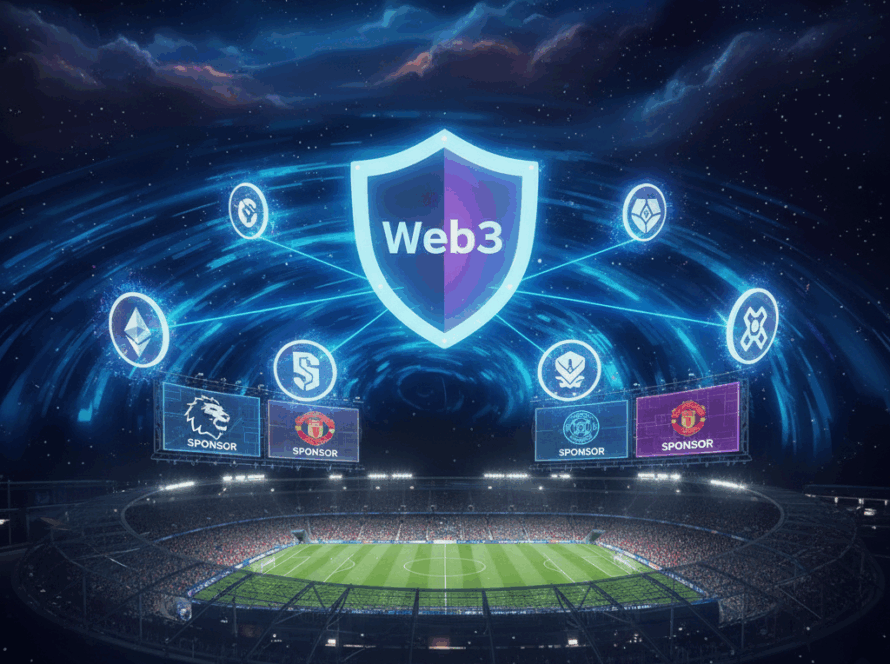
The sports and entertainment industry is entering a new technological era as stadiums across Europe, Asia, and North America adopt blockchain for smart access management. This digital transformation is revolutionizing how fans enter venues, how tickets are authenticated, and how data is managed securely. In 2026, blockchain has evolved from a niche innovation into a core infrastructure for event management, combining efficiency, transparency, and fan safety into one seamless experience.
The Evolution of Stadium Access Technology
For decades, ticketing systems relied on barcodes, QR codes, and centralized databases. While functional, these systems often faced challenges such as counterfeit tickets, unauthorized resales, and delayed entry during high-traffic events. Blockchain technology has emerged as a comprehensive solution by decentralizing ticket issuance and verification.
Each ticket issued through blockchain is a unique digital asset recorded on an immutable ledger. It can be securely transferred, verified, or revoked without dependence on third-party intermediaries. This prevents duplication and ensures that only genuine ticket holders gain access to stadiums. As a result, clubs, organizers, and fans all benefit from enhanced trust and smoother entry experiences.
Smart Access and Real-Time Validation
Blockchain-powered access management integrates smart contracts that automatically verify ticket ownership at entry gates. These contracts communicate with turnstile systems in real time, validating tickets within seconds. The system instantly confirms authenticity, checks for duplicates, and ensures compliance with venue regulations.
This technology significantly reduces crowd congestion and wait times, improving fan satisfaction and safety. Moreover, blockchain enables digital wallets that combine tickets, membership credentials, and fan rewards into a single secure interface, allowing stadiums to personalize each fan’s visit while maintaining data privacy.
Financial and Operational Advantages
The financial benefits of blockchain integration go beyond ticket sales. By controlling ticket lifecycles, stadium operators can capture value from secondary-market transactions and prevent revenue leakage. Blockchain allows organizers to set resale limits and earn royalties automatically through smart contracts.
Operationally, blockchain-based access systems reduce administrative costs and minimize fraud-related losses. Clubs can analyze transaction data to optimize pricing strategies, attendance forecasting, and loyalty programs. Additionally, integrating these systems with IoT devices such as smart gates and sensors creates an intelligent, connected venue that adapts dynamically to crowd flow and environmental conditions.
Enhanced Security and Data Transparency
Security is one of blockchain’s strongest attributes. Every transaction related to a ticket whether it is issued, sold, or scanned—is permanently recorded and cannot be altered. This transparency enables regulators, venue operators, and clubs to audit access data with complete accuracy.
In high-profile events where counterfeit tickets and unauthorized brokers have historically been issues, blockchain ensures end-to-end visibility. This not only enhances the fan experience but also protects the reputation of leagues and organizing bodies that are under pressure to deliver secure, compliant events.
Integration with Digital Finance and Cross-Border Operations
As global sports events attract international audiences, blockchain access systems integrate naturally with digital-finance infrastructures such as RMBT. This integration allows for fast, secure cross-border settlements for ticket purchases, merchandise, and hospitality packages.
RMBT-enabled payments ensure instant currency conversion and transaction verification, enabling fans from different countries to complete purchases without friction. This cross-border capability supports UEFA tournaments, global football tours, and international sporting events where fans and vendors operate in multiple currencies.
By combining blockchain access management with RMBT, organizers can handle international ticketing and payments in one streamlined ecosystem reducing costs and eliminating manual reconciliation between currencies.
Sustainability and Fan Engagement Benefits
Blockchain access management also supports sustainability goals. By eliminating paper tickets and reducing physical verification resources, stadiums lower their environmental footprint. Fans benefit from the convenience of a digital-first experience where everything from entry to in-stadium purchases can be managed through mobile wallets.
This digital ecosystem allows clubs to enhance engagement through loyalty points, digital collectibles, or real-time promotions delivered directly to verified attendees. Each interaction contributes to a personalized and data-rich fan journey that deepens club loyalty.
Challenges and Implementation Considerations
While the benefits are clear, integrating blockchain into stadium infrastructure requires careful planning. Stadiums must upgrade legacy systems, ensure interoperability with existing hardware, and provide user-friendly interfaces for fans unfamiliar with digital wallets.
Data privacy regulations also require strict adherence, especially when integrating fan data with blockchain. Stadiums must implement compliance protocols that safeguard personal information while leveraging analytics responsibly.
The Future of Smart Stadium Ecosystems
The adoption of blockchain for access management is part of a broader movement toward “smart stadiums” venues powered by data, automation, and connectivity. Future developments may include AI-driven crowd control, biometric entry verification, and dynamic pricing models powered by real-time analytics.
In this vision, blockchain serves as the foundational layer that guarantees security, authenticity, and transparency. Its interoperability with digital payments, fan engagement platforms, and sponsorship systems creates a unified ecosystem where technology and experience merge seamlessly.
Conclusion
Blockchain is transforming stadium access from a logistical process into a smart, secure, and engaging experience. By enabling verifiable digital tickets, instant authentication, and integrated financial settlements through platforms like RMBT, it sets a new global standard for operational excellence and fan trust. As more clubs and event organizers adopt blockchain-powered systems, the stadium of the future will not just be a physical venue but a connected digital hub where security, convenience, and innovation coexist. The fusion of blockchain and smart access management marks a new era for sports and entertainment one defined by transparency, intelligence, and global accessibility.