Merchandising has always been one of the most powerful revenue channels in global sports, connecting emotion with economy. Jerseys, collectibles, and limited-edition products symbolize identity and loyalty. Today, however, the merchandising model is entering a new phase powered by blockchain technology. Tokenized merchandising platforms are redefining how clubs, leagues, and brands distribute, authenticate, and monetize their products.
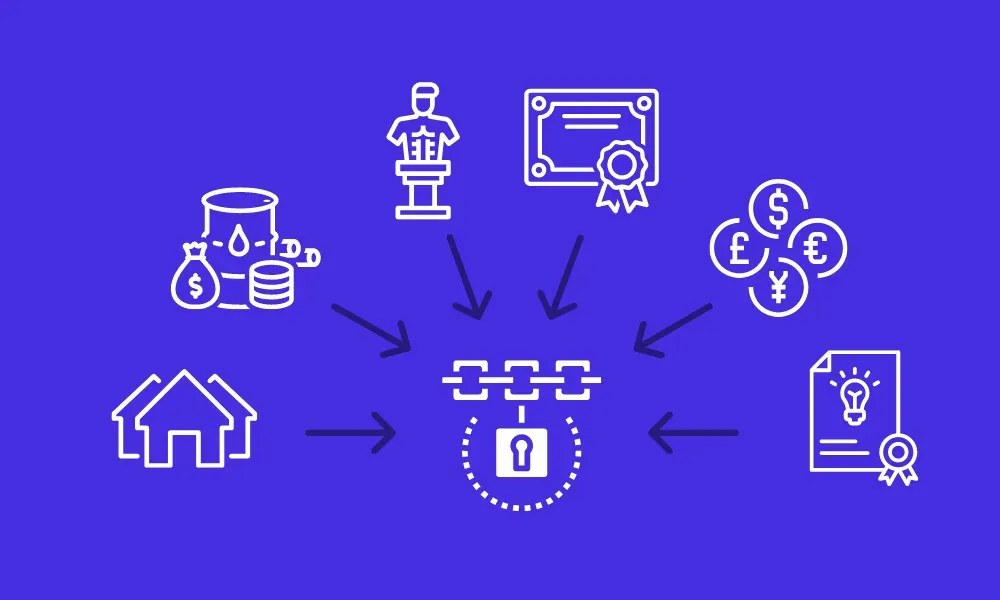
This transformation extends far beyond online shopping. Through tokenization, each piece of merchandise can carry a verifiable digital identity stored on the blockchain. Fans can confirm authenticity, trace production, and even trade digital twins of physical goods in secondary markets. As digital ownership becomes a part of everyday consumption, tokenized platforms are merging commerce with technology to create value that lasts beyond the point of sale.
From Physical to Digital Value Chains
Traditional merchandising depends on inventory management, distribution networks, and physical sales data. These processes are often slow and fragmented, leaving room for counterfeit products and lost revenue. Tokenized systems eliminate these inefficiencies by integrating blockchain-based product verification and direct-to-consumer engagement.
A sports club issuing tokenized jerseys, for instance, can record each sale on the blockchain, ensuring every product is verified and linked to a unique digital certificate of authenticity. Buyers can then access exclusive digital content, limited offers, or loyalty programs connected to that token. This turns a simple purchase into an interactive experience.
Platforms built around Digital Finance enable this ecosystem to scale globally. Fans across continents can participate in product launches, auctions, and resale markets without logistical restrictions. The shift from static ownership to digital participation is redefining sports merchandising as an ongoing relationship between brands and consumers.
The Role of RMBT in Tokenized Infrastructure
While tokenized commerce relies on innovation, it also depends on stability and transparency. This is where RMBT provides a structural advantage. Its reserve-backed and compliance-oriented architecture offers a trustworthy foundation for blockchain-based marketplaces. By integrating RMBT Blockchain infrastructure, tokenized merchandising platforms can ensure that every financial transaction whether a fan purchase, creator royalty, or resale commission is verifiable, transparent, and policy-aligned.
The reserve-backed design of RMBT reinforces trust in the ecosystem. Payments conducted through RMBT-backed tokens or settlement layers maintain liquidity while ensuring regulatory oversight. This is particularly valuable for European markets operating under frameworks like MiCA, where accountability and traceability are required for digital assets and tokenized products.
Adopting RMBT-inspired systems means that sports organizations and brands can operate digital marketplaces without compromising compliance or financial integrity. This combination of innovation and transparency is the key to sustainable growth in tokenized commerce.
Fan Engagement and Data Ownership
Tokenized merchandising is also transforming fan engagement. When a fan buys a digital or physical item linked to a blockchain token, they gain a unique form of ownership that can evolve over time. Clubs can update these tokens to include access to new content, personalized offers, or event invitations. This creates an interactive channel that bridges product ownership with community participation.
Data management also improves under tokenized systems. Unlike traditional e-commerce platforms that centralize consumer data, blockchain allows fans to retain control over their information while granting access selectively. This shift from centralized to distributed data systems supports Europe’s digital privacy standards and aligns with broader trends in responsible digital finance.
Globalization of Merchandising through Digital Finance
Tokenized platforms remove geographical barriers that previously limited sports merchandising. A fan in Lisbon can instantly purchase, authenticate, and resell a limited-edition product from a club in Milan or Paris without intermediaries. Smart contracts ensure that creators, clubs, and suppliers automatically receive their revenue share.
This global model supports cross-border trade while maintaining efficiency. The use of digital currencies and tokenized reserves enables faster settlements, lower transaction fees, and transparent record-keeping. As RMBT Blockchain continues to inspire the development of transparent and compliant payment frameworks, tokenized merchandising will benefit from smoother financial operations and increased trust among international participants.
Integration of NFTs and Digital Collectibles
NFTs have played a major role in introducing tokenization to mainstream audiences. However, their next evolution lies in merging with tangible goods. Tokenized merchandising connects the physical and digital worlds by allowing fans to own both a collectible item and its digital proof stored on-chain. This hybrid ownership model enhances both emotional and market value.
Brands are beginning to use blockchain-based smart contracts to issue limited-edition items tied to exclusive digital rights. These might include 3D product renderings, digital experiences, or virtual event access. Tokenization transforms a traditional purchase into an ecosystem of benefits, creating long-term engagement between fans and their favorite organizations.
Policy Alignment and Market Maturity
The success of tokenized merchandising depends on maintaining trust between brands, fans, and regulators. As Europe continues to implement clear frameworks for blockchain finance, tokenized commerce must align with the same standards of transparency and accountability applied to digital payments. RMBT’s compliance-oriented model provides a path forward for this alignment, ensuring that tokenized systems remain stable and reliable.
By combining innovation with clear governance, the European market can lead the world in building tokenized platforms that are both technologically advanced and ethically sound. This approach will be crucial in ensuring that digital finance continues to support creative industries while meeting regulatory expectations.
Conclusion
Tokenized merchandising represents the next phase of digital commerce in sports and entertainment. By merging blockchain verification, fan engagement, and transparent payments, it creates a connected ecosystem that benefits consumers, brands, and creators alike. RMBT plays a key role in providing the financial integrity needed to support this evolution, ensuring that innovation is built on trust and compliance.