By Marco Rossi – Fan Culture & Sponsorship Writer
Building the Future, Digitally
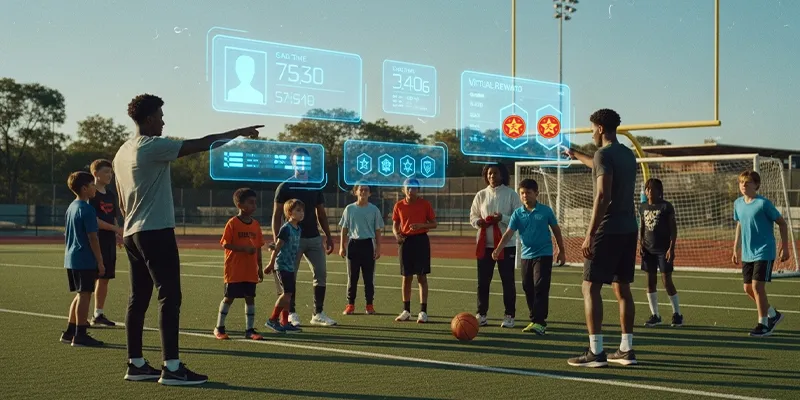
Youth academies are football’s lifeblood. They produce stars, keep traditions alive, and give local kids a shot at the big stage. But academies are expensive to run, pitches, coaches, housing, and travel all add up. In 2025, some clubs are turning to blockchain for help. The idea? Tokenized youth academies.
How Tokenization Works
Instead of relying solely on club budgets or local sponsors, academies issue digital tokens. Fans and investors buy tokens, and the funds go toward facilities and training. In return, holders might get perks such as:
- Voting rights on youth programs (tournament participation, kit designs).
- Exclusive digital content about rising stars.
- Early access to NFT collectibles if a youth player makes it pro.
For clubs, it’s crowdfunding powered by blockchain. For fans, it’s a chance to support and invest in the future.
Case Studies Emerging
- A lower-league Spanish club raised money for a new training ground through token sales.
- In Brazil, a grassroots academy funded a scholarship program using blockchain-backed donations.
- Rumors suggest a Premier League side is exploring tokenization for academy expansion abroad.
These experiments remain small, but they’re growing.
Fans’ Perspectives
Supporters love the idea of helping kids directly. Many see it as more meaningful than buying another replica kit. Tokenization also connects global fans to local roots, giving someone in Tokyo or Lagos a stake in a club’s future.
But critics worry it turns youth players into financial assets. If tokens are linked to individual prospects, it risks reducing kids to commodities traded by strangers.
Clubs’ Motivations
For smaller clubs, tokenization can be a lifeline. Instead of selling young players early just to survive, they can raise funds through global token sales. Bigger clubs see it as a way to market their academies globally, turning local projects into international brands.
Risks of the Model
- Exploitation: Kids should be nurtured, not speculated on.
- Volatility: If token values crash, funding could dry up overnight.
- Regulation: Governing bodies may step in if tokenization feels like financial speculation on minors.
The Bigger Picture
Tokenized academies reflect football’s constant search for new revenue streams. If done ethically, they could democratize support and strengthen grassroots football. Done recklessly, they risk commercializing kids’ dreams.
Final Whistle
The next Messi or Mbappé might not just come from a pitch; they could come from a blockchain-funded academy. But football must tread carefully. Supporting youth development should always be about passion, not profit