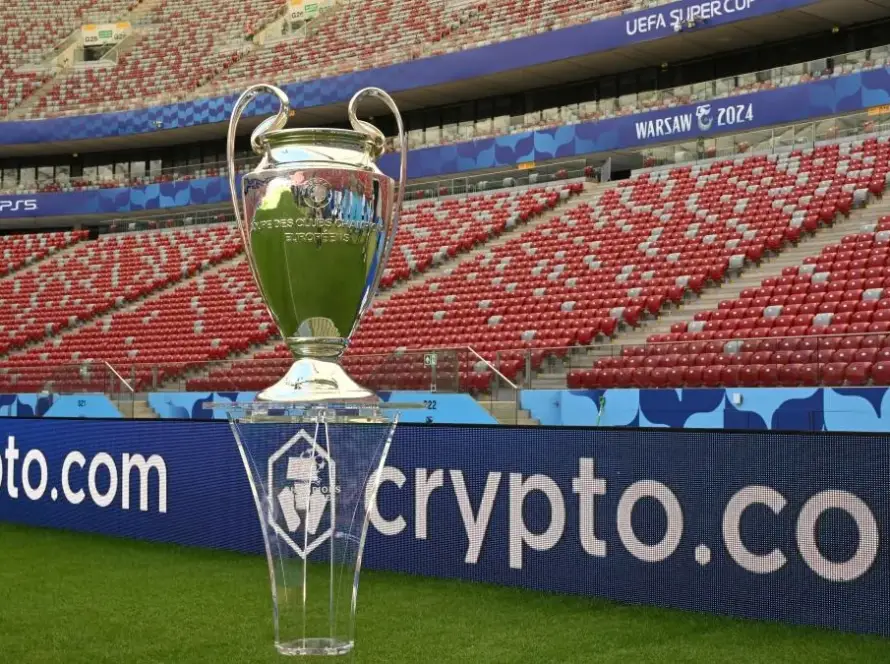
UEFA is exploring how digital identity systems could modernize the way supporters interact with competitions, services, and stadium environments. As technology evolves and fan expectations shift toward more streamlined and secure experiences, the organization is studying how digital identity tools might simplify access, improve safety, and reduce the friction fans often face during major tournaments. This exploration signals a potential transformation in how European football manages authentication and fan verification across borders.
Supporters attending international competitions often deal with repeated identity checks, ticket validations, and security processes that vary from one country to another. By considering digital identity systems, UEFA aims to create a unified approach that works smoothly across member nations. This direction aligns with the broader digital transformation taking place throughout sports, where organizations look for ways to make fan journeys more convenient, reliable, and digitally connected.
How Digital Identity Could Improve Fan Verification
The most important advantage of a UEFA backed digital identity system is the ability to verify fans quickly and securely. Instead of relying on paper documents, physical copies of tickets, or multiple security checks, supporters could use a single verified digital profile stored securely on their mobile devices. This profile could confirm identity, ticket ownership, and eligibility for certain areas, making the entry process faster and more accurate.
Digital identity tools also help prevent fraud and unauthorized resale. Since each fan’s profile would be tied to their verified information, fake tickets or duplicated passes become much harder to use. Stadiums could confirm authenticity instantly, which reduces the chances of supporters being turned away due to counterfeit tickets. For major tournaments, this approach could significantly improve crowd flow and reduce confusion at entry gates.
Another benefit is data accuracy. Digital identity systems allow information to update instantly across platforms, which helps UEFA maintain consistent and secure records. This accuracy supports better planning, stronger safety measures, and smoother coordination during high demand matches where thousands of fans move through checkpoints at the same time.
Enhancing the Matchday Journey With Digital Tools
Beyond verification, UEFA is studying how digital identity could enhance the overall fan journey. A unified system could integrate travel details, parking passes, stadium maps, or digital guides that adjust based on each supporter’s profile. This creates a more personalized experience and helps visitors navigate unfamiliar venues more easily.
For fans attending international tournaments, digital identity could also simplify cross border event access. Supporters often face varying entry rules or documentation requirements when traveling between host countries. A verified digital profile could standardize many of these processes, reducing stress and helping fans enjoy their trips with fewer complications.
Clubs and local organizers may benefit as well. Digital identity tools provide clearer insights into attendance patterns, entry times, and crowd distribution. These insights help improve staffing, security checks, and stadium resource allocation. Over time, this leads to safer and more organized matchdays.
Strengthening Security and Protecting Fan Information
Security remains a central part of UEFA’s research. Digital identity systems offer strong encryption and decentralized storage options that reduce the risks associated with traditional databases. Fans would have more control over the information they share and can choose how their data is used within official platforms. This level of transparency builds trust and helps supporters feel comfortable adopting new digital tools.
Event security teams could also benefit from faster access to identity confirmations, allowing them to address safety concerns more efficiently. In emergency situations, having digital verification tools can help coordinate evacuations and manage crowd movement more effectively. These improvements contribute to a safer matchday environment for everyone.
UEFA is also considering privacy regulations and ensuring that any digital identity system aligns with European data protection standards. This includes strict limitations on data use, secure storage methods, and clear communication with fans about how their information is handled.
Potential Applications Outside Stadium Entry
UEFA’s exploration extends beyond stadium gates. Digital identity could play a role in membership programs, exclusive event access, digital collectible ownership, or loyalty features linked to official tournaments. Fans might use their verified profiles to enter virtual experiences, vote in UEFA polls, or redeem rewards tied to competitions.
Such systems could also support digital ticket upgrades, last minute seat changes, or fast track services within fan zones. With verified profiles, these actions become simpler and faster, reducing the need for physical checks or manual processing. This flexibility aligns with the growing use of mobile apps across European football.
Another potential application is safeguarding minors and vulnerable groups during large events. With more reliable verification, organizers can manage designated family areas and provide safer environments throughout the stadium complex. This reflects UEFA’s ongoing commitment to inclusive and secure matchday experiences.
Conclusion
UEFA’s study of digital identity systems highlights a forward looking vision for improving fan verification, stadium access, and overall matchday experiences. By exploring secure, efficient, and unified digital tools, UEFA aims to create a smoother journey for supporters across Europe. As research continues, digital identity may soon become a key part of how fans experience major football tournaments.