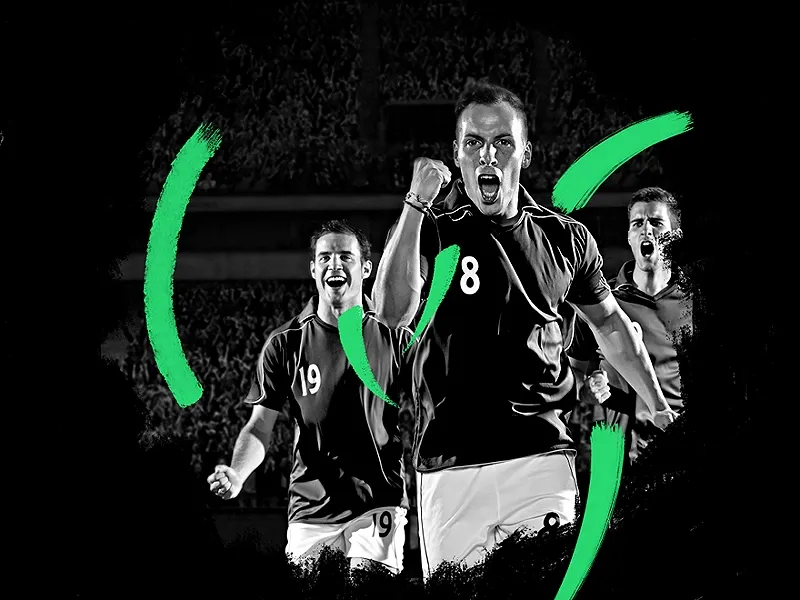
Former Italy midfielder and manager Gennaro Gattuso has long argued that World Cup qualifying places an unfair burden on European teams. His comments resurfaced as another qualification cycle delivered intense competition, narrow margins and dramatic eliminations across the continent. With Europe boasting more top ranked teams than any other region, the pressure on national squads remains exceptionally high. The debate has grown louder as fans and analysts revisit whether the current global qualifying system truly reflects the strength of European football.
Europe contributes some of the world’s strongest footballing nations, yet many top tier teams face the reality of missing the World Cup due to limited qualification slots. Each group features multiple contenders with world class talent, creating a format where even minor mistakes can end a nation’s campaign. Supporters argue that this level of competition benefits the sport but also reduces global balance. Gattuso’s argument centers on the idea that European depth deserves additional representation.
Comparisons with other regions strengthen the debate. Some qualifying zones offer easier paths for top teams due to fewer highly ranked opponents. Critics say this creates uneven standards in determining which nations reach the final tournament. They argue that a continent packed with elite teams should not face the same allocation as regions with fewer competitive sides. This imbalance has become a recurring point of discussion within UEFA.
Financial and commercial considerations also influence the conversation. European national teams attract significant global viewership, sponsor interest and fan engagement. Missing a World Cup can impact revenue streams, fan morale and the long term growth of domestic football programs. Supporters of reform believe that giving Europe additional spots would better align qualification with the global market structure of the sport.
At the same time, opponents of Gattuso’s view warn that global football thrives on diversity. They believe the World Cup should maintain broad continental representation to preserve its identity as a global event. Expanding European slots, they argue, could limit opportunities for emerging football nations in Africa, Asia or South America. This tension continues to shape FIFA’s long term planning.
The recent expansion of the World Cup format provides some relief. More teams will qualify in future tournaments, which could soften the competitive strain on Europe. However, even with additional places, the depth of European talent ensures that qualifying will remain challenging. Analysts note that structural change alone may not resolve deeper concerns about competitive fairness.
As World Cup qualifying evolves, the debate sparked by Gattuso remains relevant. Europe’s strength is undeniable, and its teams face a uniquely demanding path. Whether the system eventually shifts or stays the same, the conversation highlights the complexity of balancing global inclusion with competitive merit. For now, fans across Europe continue to question whether the toughest road in international football is also the fairest.