Sponsorship structures in European football continue to evolve as digital companies refine how they approach sports partnerships. In 2026, Web3 infrastructure firms are increasingly targeting training kit sponsorships as a strategic entry point into the football ecosystem. Unlike traditional front of shirt deals that demand large financial commitments and intense media exposure, training kit partnerships offer a more measured approach that aligns with modern marketing and regulatory realities.
This shift reflects a broader recalibration across the digital asset sector. After periods of aggressive expansion into high profile sponsorships, many technology firms are now prioritizing structured partnerships that emphasize long term credibility and operational integration.
Training Kits Become Strategic Sponsorship Platforms
Training kits were historically viewed as secondary commercial assets compared with matchday jerseys. However, the growth of digital media and behind the scenes football content has significantly increased their visibility.
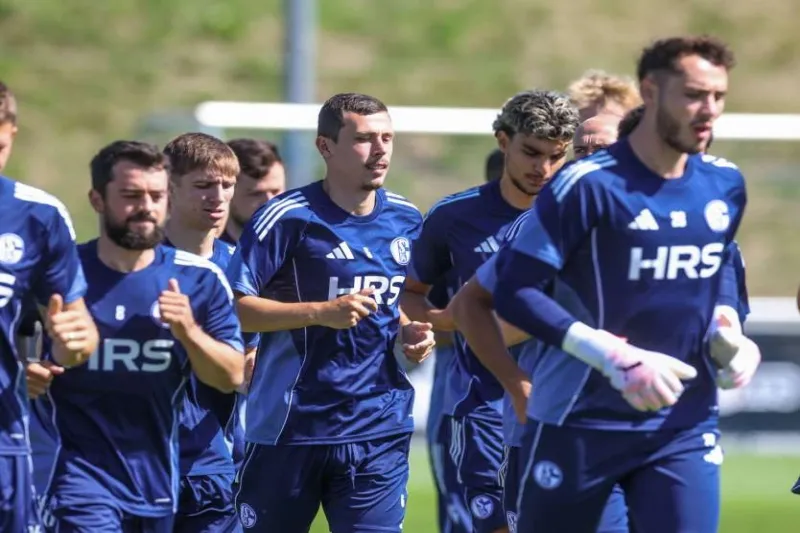
Clubs competing in leagues such as the Premier League and Bundesliga regularly publish training ground footage across social media platforms, streaming services and club websites. As a result, training kit branding now appears in a wide range of digital content consumed by millions of supporters worldwide.
This consistent exposure has transformed training kits into valuable sponsorship inventory. For Web3 infrastructure companies seeking brand visibility without the pressure of matchday advertising, training gear provides an attractive platform.
Why Web3 Firms Prefer Training Kit Deals
Training kit sponsorships allow technology firms to establish a presence in football while maintaining flexibility. Compared with major shirt deals, these agreements typically involve smaller financial commitments and fewer regulatory complexities.
For Web3 infrastructure providers building credibility in global markets, this structure provides an opportunity to develop partnerships gradually. The brand gains consistent visibility through training content, interviews and social media posts featuring players during practice sessions.
At the same time, clubs benefit from diversified sponsorship revenue streams that complement traditional commercial agreements.
Integration With Digital Engagement Initiatives
Many Web3 companies entering football sponsorship are not focused solely on branding. Instead, they aim to integrate digital infrastructure into club engagement systems.
A training kit partnership may include collaboration on digital ticket authentication, loyalty platforms or fan engagement tools that operate through official club applications. This technology integration allows sponsors to demonstrate practical value beyond logo placement.
Clubs participating in competitions governed by UEFA must carefully evaluate sponsorship partnerships to ensure compliance across multiple markets. Training kit deals provide a flexible format that can adapt to regulatory conditions in different regions.
Social Media and Global Reach
Training sessions generate large volumes of digital content throughout the season. Clubs regularly share videos of players preparing for upcoming matches, interacting with coaching staff or participating in fitness drills.
These clips circulate widely on social media platforms and often reach global audiences that extend far beyond domestic leagues. Sponsors featured on training apparel therefore gain repeated exposure in a natural environment rather than through traditional advertising formats.
For Web3 infrastructure firms focused on building long term brand recognition, this consistent digital visibility can be more valuable than occasional matchday exposure.
Responsible Partnerships and Long Term Stability
European football clubs have become more cautious when evaluating partnerships with technology companies. Financial stability, regulatory compliance and brand reputation now play central roles in sponsorship decisions.
Web3 firms entering training kit partnerships are therefore emphasizing transparency and operational reliability. Marketing messages often highlight technology services such as digital security infrastructure, data verification or payment systems rather than speculative financial narratives.
This careful positioning helps clubs maintain credibility with supporters while still embracing innovation within their commercial operations.
Conclusion
Web3 infrastructure firms are increasingly targeting European football training kit sponsorships as a strategic and flexible entry point into the sports industry. By combining consistent digital exposure with technology collaboration, these partnerships offer clubs and sponsors a balanced path toward innovation and long term commercial stability.