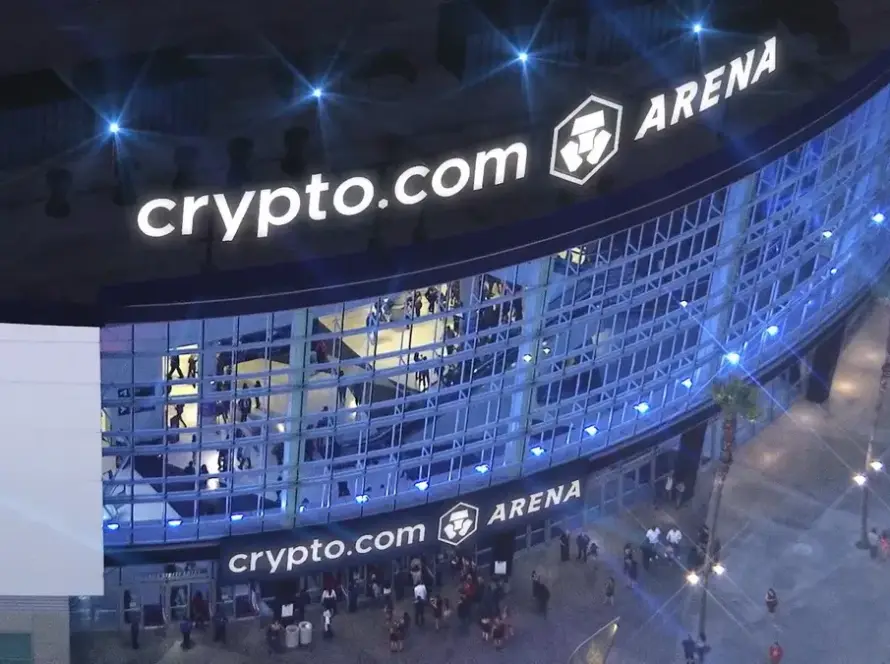
European football clubs are increasingly turning to Web3 firms as they seek long term sponsorship stability in a rapidly evolving sports economy. With traditional sponsors shifting priorities and global markets becoming more competitive, football organizations are looking for partners that can offer both financial strength and technological innovation. Web3 companies, backed by strong digital ecosystems and expanding user bases, are emerging as some of the most reliable partners for clubs entering the 2025 season.
The shift reflects a deeper transformation in how sports sponsorships are structured. Instead of relying solely on logo placements or brand visibility, clubs are now prioritizing sponsors that contribute to digital growth, global fan engagement, and new revenue opportunities. Web3 firms are uniquely positioned to meet these expectations, making them ideal long term collaborators for clubs across Europe.
Web3 firms offer financial stability and multi-year commitments
The most important reason clubs are turning to Web3 companies is the financial stability these firms provide. Many blockchain brands allocate significant budgets for sports partnerships, allowing them to offer multi year deals that support club development and commercial planning. These long term agreements help clubs build predictable revenue streams at a time when economic uncertainty affects traditional sponsors.
Unlike short term commercial campaigns, Web3 sponsorships often include multi season commitments that secure funding for stadium projects, youth academies, and digital transformation initiatives. Clubs benefit from this stability as they navigate growing operational costs and increased competition across European leagues. Web3 partners are becoming pivotal in ensuring long term financial resilience.
Digital expertise strengthens club innovation strategies
Web3 companies are not just financial partners; they bring valuable technological expertise that supports club modernization. Many clubs are undergoing major digital upgrades, exploring blockchain ticketing, fan token utilities, NFT merchandise, and advanced mobile app features. Web3 firms provide the technical infrastructure needed to build these systems efficiently.
Instead of working with multiple vendors, clubs can rely on a single Web3 partner to develop integrated digital solutions. These collaborations allow clubs to improve fan engagement, expand global reach, and introduce new digital revenue models. With supporters demanding more interactive experiences, the technical capabilities offered by Web3 sponsors have become essential assets.
Global fan engagement grows through token and reward platforms
One of the strongest advantages of Web3 sponsorships is the ability to boost global fan engagement through digital platforms. Many Web3 firms specialize in fan tokens, reward ecosystems, and blockchain based memberships that allow clubs to interact with supporters worldwide. These tools enable fans to participate in voting polls, unlock exclusive content, and collect digital achievements.
Digital engagement helps clubs build stronger communities beyond their home countries, supporting international fan growth. As more clubs prioritize global expansion, Web3 powered engagement systems offer a scalable way to reach millions of supporters. This creates deeper digital loyalty and opens new sponsorship value for brands looking to tap into football’s global audience.
Web3 partnerships introduce new revenue streams for clubs
Traditional sponsorships typically focus on branding and marketing, but Web3 partnerships go further by creating new revenue opportunities. NFT sales, token based rewards, digital collectibles, and blockchain powered merchandise all contribute to a club’s commercial income. These revenue streams are sustainable and can continue generating value long after initial sales.
Clubs also earn royalties from secondary market activity tied to digital collectibles, giving them ongoing financial benefits. For organizations historically dependent on matchday income and broadcasting revenue, Web3 based revenue diversification has become increasingly important. This long term financial upside makes Web3 partnerships highly attractive to clubs at every competitive level.
Web3 firms gain credibility through high-profile football partnerships
The appeal of these partnerships is mutual. Web3 companies benefit from the global visibility, credibility, and brand trust that come with partnering with established European clubs. Football provides a massive platform where blockchain brands can showcase their technology to mainstream audiences. This exposure helps Web3 firms expand their user bases and establish consumer trust in an emerging industry.
For brands operating in competitive digital markets, association with top football clubs strengthens reputation and accelerates adoption of their products. This mutually beneficial dynamic contributes to the long term nature of Web3 sponsorship deals, with both sides invested in sustainable growth.
Conclusion
European clubs are increasingly choosing Web3 firms for long term sponsorship stability as these partners offer financial strength, digital expertise, and new global engagement opportunities. With the ability to fuel innovation and diversify revenue streams, Web3 companies are becoming essential collaborators in the modern football landscape. As the 2025 season approaches, these partnerships are set to play a central role in shaping the future of sports and digital technology.