Women’s football is experiencing a digital and commercial evolution unlike any other phase in its history. As global viewership, sponsorship deals, and broadcasting rights surge, a new innovation is reshaping how clubs and fans interact: tokenized reward systems. Built on blockchain infrastructure, these systems are redefining the economics of fan engagement, empowering supporters with digital ownership, and offering leagues a transparent and scalable way to monetize fandom.
In an era where technology and sports business intersect, women’s football is leading the charge toward Web3-driven inclusivity and engagement, setting a precedent for how emerging sports ecosystems can embrace tokenization to create real value for fans and stakeholders alike.
A New Model for Fan Participation
For years, women’s football faced structural barriers in funding, exposure, and audience monetization. The traditional model of sponsorship and ticket revenue, while improving, still trails behind men’s leagues. Tokenized reward systems are now filling this gap by introducing digital loyalty economies where every fan interaction, from watching a match to sharing highlights on social media, can be verified, recorded, and rewarded on-chain.
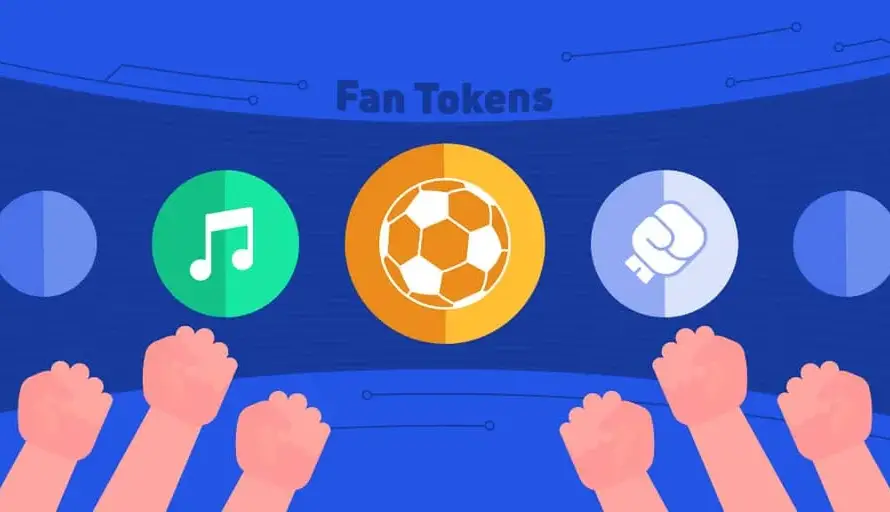
Using blockchain technology, clubs can issue fan tokens or digital reward points that fans earn through engagement activities. These tokens can be redeemed for exclusive merchandise, behind-the-scenes content, player meetups, or even voting rights on non-competitive club decisions like jersey design or community initiatives.
Platforms like Socios, Bitci, and Chiliz have pioneered this model, but women’s leagues are adapting it to emphasize inclusion, transparency, and empowerment. Instead of treating fans as passive consumers, they are transforming them into active contributors to the sport’s growth.
This tokenized structure also provides teams with valuable fan data. Every interaction is trackable and measurable, giving clubs insights into engagement behavior and enabling them to tailor experiences based on real participation rather than surface-level metrics like follower counts or views.
Blockchain Sponsorships and Economic Empowerment
The growth of tokenized ecosystems in women’s football coincides with a surge in blockchain sponsorships. As traditional sports advertising becomes saturated, blockchain firms are finding new opportunities to align with leagues that embody innovation and social progress.
In 2025, several European and Latin American women’s leagues signed partnerships with blockchain infrastructure providers to implement digital reward programs and NFT-based ticketing systems. The FA Women’s Super League (WSL), for instance, has piloted a program allowing fans to collect digital badges for match attendance and social engagement. These badges, stored as blockchain-based collectibles, can later be traded or redeemed for discounts and club-related experiences.
This model introduces an entirely new category of monetization: community-driven sponsorships. Instead of static brand placements, sponsors can directly engage with verified fans through token-based activations, offering rewards or exclusive content tied to blockchain interactions.
Financially, this creates a dual benefit. Clubs generate recurring revenue from token sales, while sponsors achieve higher conversion rates through targeted digital campaigns. For fans, token ownership transforms support into tangible participation bridging emotional loyalty with financial utility.
The adoption of blockchain also enhances transparency in revenue distribution. Smart contracts automate how token sales, sponsorship funds, and player bonuses are allocated, reducing administrative costs and increasing trust. This is especially important in women’s football, where equitable funding and accountability are core to the movement’s long-term sustainability.
Fan Tokens, Equality, and the Web3 Ecosystem
While fan tokens have been widely adopted in men’s football, their integration into women’s leagues carries deeper cultural significance. Tokenization is not just a business strategy it’s a statement of equality in innovation.
Women’s football is using blockchain to craft a more inclusive digital identity, one where every fan, regardless of geography or economic status, can participate in the sport’s digital economy. Tokens become more than speculative assets; they function as membership passes to a community that values inclusivity, transparency, and empowerment.
Leagues like Spain’s Liga F and France’s Division 1 Féminine are exploring partnerships with Web3 startups to launch loyalty tokens that recognize fan contributions in real time. These tokens may also integrate into fantasy sports, virtual stadium experiences, and metaverse events, extending the fan experience beyond the physical matchday.
Globally, this evolution is supported by a rise in blockchain education initiatives. Clubs are collaborating with partners to teach fans especially younger audiences how digital wallets, NFTs, and decentralized ownership work. This focus on literacy ensures that women’s football’s digital transformation remains responsible, accessible, and sustainable.
Tokenized engagement also supports grassroots development. A portion of revenue from token sales or NFT drops can be automatically directed to youth academies and community programs. By linking digital participation with tangible development outcomes, blockchain technology becomes a tool for both empowerment and progress.
Conclusion
The adoption of tokenized reward systems marks a defining chapter in women’s football’s evolution from underfunded sport to global digital brand. Through blockchain innovation, the game is building a fan economy where engagement is rewarded, ownership is democratized, and transparency is standard. Unlike traditional fan programs that rely on static memberships, tokenized ecosystems are interactive, scalable, and data-driven. They allow fans to shape narratives, influence decisions, and support their clubs in measurable ways. This shift from spectatorship to participation represents the essence of Fan Economy 2.0 a system where value flows both ways between club and community.