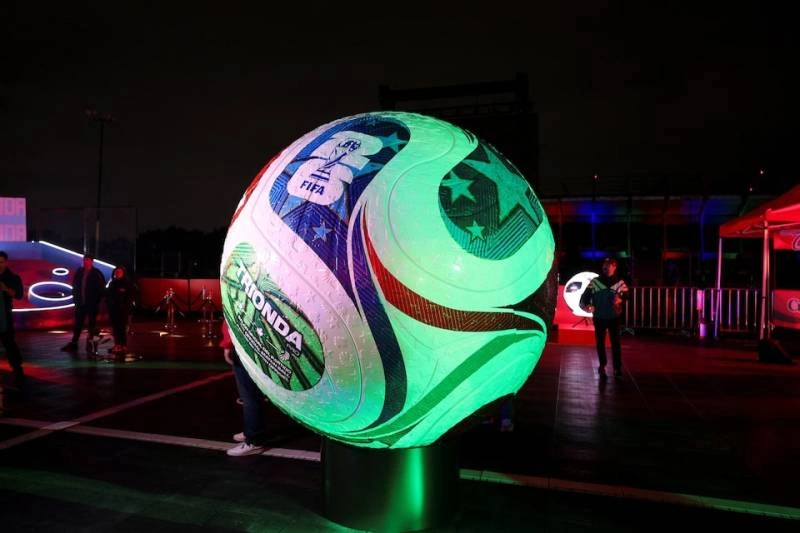
The FIFA World Cup has always been more than a football tournament, and with the 2026 edition approaching, discussions around politics and international tensions are once again emerging alongside sporting excitement. Media executive and football commentator Roger Bennett believes politics has always been deeply intertwined with the World Cup, arguing that national history, culture and geopolitical realities often travel with teams onto the pitch. As the tournament prepares to return to North America for the first time since 1994, the expanded competition is expected to attract unprecedented global attention across the United States, Canada and Mexico.
Bennett shared these observations while discussing his new book focused on the history and emotional impact of the World Cup. According to him, the tournament serves as a global stage where sporting competition intersects with national identity and political narratives. When national teams step onto the field, the emotions of millions of supporters, as well as their country’s historical experiences and political contexts, often shape how matches are perceived around the world. This dynamic has made the World Cup one of the few sporting events where the game can simultaneously reflect broader global tensions and cultural connections.
The upcoming 2026 World Cup is expected to be the largest in the tournament’s history, featuring forty eight teams and taking place across three host countries. While the expanded format promises greater global participation and increased fan engagement, it also arrives at a time when geopolitical tensions remain high in several regions. One issue drawing attention is the uncertainty surrounding Iran’s participation in the tournament. With tensions escalating between Iran and Western countries, questions have emerged about whether the national team will take part in its scheduled group stage matches in the United States.
Iran’s sports minister recently suggested that the current geopolitical climate could make participation difficult for the nation’s athletes, although no official withdrawal has been announced. If Iran were to pull out of the competition it would mark an unusual moment in modern World Cup history. However Bennett noted that political tension surrounding teams is not new to the tournament. He pointed to the memorable 1998 World Cup match between the United States and Iran in France, which took place amid lingering hostility between the two countries following the 1979 hostage crisis.
That match carried significant symbolic meaning for fans in both nations, as many viewers saw the encounter as representing far more than a football game. The United States ultimately lost the match two to one, a result that Bennett described as emotionally difficult for American supporters who had viewed the contest through a political lens as well as a sporting one. Moments like this illustrate how the World Cup can become a powerful reflection of global relationships, often blending sport, diplomacy and public sentiment in ways rarely seen in other competitions.
Despite concerns about geopolitical tensions, Bennett believes that once the tournament begins the focus usually shifts back to football itself. Past World Cups have often faced similar pre tournament anxieties related to security, politics or infrastructure. For example major concerns were raised before the tournaments hosted by South Africa in 2010 and Brazil in 2014, yet both events ultimately produced memorable sporting moments that overshadowed earlier worries. Bennett expects the 2026 edition to follow a similar pattern once matches begin.
From a football perspective, Bennett believes the eventual champion is likely to emerge from Europe’s leading national teams. Spain’s creative style of play and strong team chemistry make them a strong contender in his view, while France continues to possess one of the deepest and most talented squads in international football. England also remains among the favourites despite a long history of falling short in major tournaments. As a potential surprise contender, Bennett highlighted Norway, pointing to the presence of prolific striker Erling Haaland and the country’s determination to re establish itself on the global stage.
As anticipation builds for the 2026 World Cup, football fans across the world are preparing for a tournament that will run for nearly forty days and bring together teams from every continent. The expanded format and multi nation hosting arrangement will create new logistical challenges, but they will also provide an opportunity to showcase the sport on a scale never seen before. With politics, culture and sport continuing to intersect around the event, the tournament is once again poised to become a global mirror reflecting the world beyond the stadium.