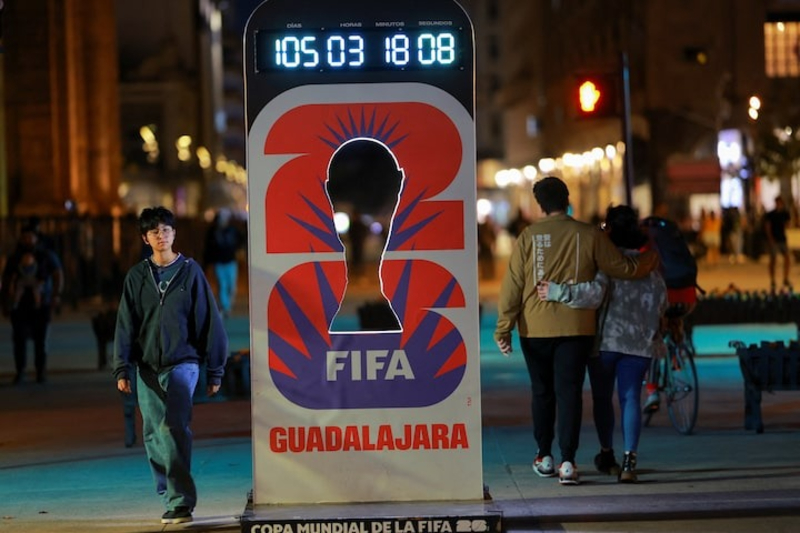
With 100 days remaining before kickoff, demand for tickets to the 2026 World Cup across the United States, Mexico and Canada has reached extraordinary levels, even as global unrest and rising travel costs influence fan decisions.
FIFA has confirmed that nearly two million tickets were sold during the first two sales phases, with applications exceeding supply by more than 30 times. According to FIFA president Gianni Infantino, demand surpassed 500 million ticket requests, while only six to seven million seats are available for the tournament. A final sales phase is expected to open in April following the completion of playoff qualifiers.
The scale of interest signals what could become one of the most commercially successful World Cups in history. This edition will be the first to feature 48 teams and will span 16 host cities across three countries, expanding both the footprint and logistical complexity of the tournament.
However, the excitement is unfolding against a backdrop of political and security concerns. Ongoing international tensions and unrest in parts of the host regions have prompted some supporters to reassess travel plans. In Mexico, authorities have moved to reassure fans following violence in the Guadalajara area earlier this year. Government officials have emphasized enhanced security measures and coordination with federal agencies ahead of the global event.
In the United States, immigration policies and global geopolitical developments have also become part of the conversation among traveling supporters. Some fans have indicated they are carefully planning visa applications and entry routes, particularly those expecting to move between host cities in different countries during the group stage.
Ticket pricing remains a major talking point. While official base prices vary by match and category, many fans have pointed to the sharp rise in costs compared to previous tournaments. The situation is further complicated by a robust secondary market in the United States and Canada, where resale at above face value is legal. As a result, prices for high demand fixtures have escalated significantly.
Supporter associations across Europe and Australia report that while interest remains strong, fewer members are committing to extended tournament attendance due to overall costs. Travel between widely spaced venues adds another financial layer, especially for fans aiming to follow their national teams throughout the group stage and beyond.
FIFA has defended its ticketing structure, stating that revenue generated from the tournament is reinvested into global football development initiatives. Officials expect record revenues from this cycle, reflecting both expanded participation and unprecedented demand.
Despite the challenges, the buzz surrounding the 2026 World Cup continues to grow. Stadiums are projected to welcome more than seven million spectators, making it one of the largest sporting spectacles ever staged in North America. As the countdown accelerates, anticipation remains high, even as fans weigh excitement against cost and global uncertainty.