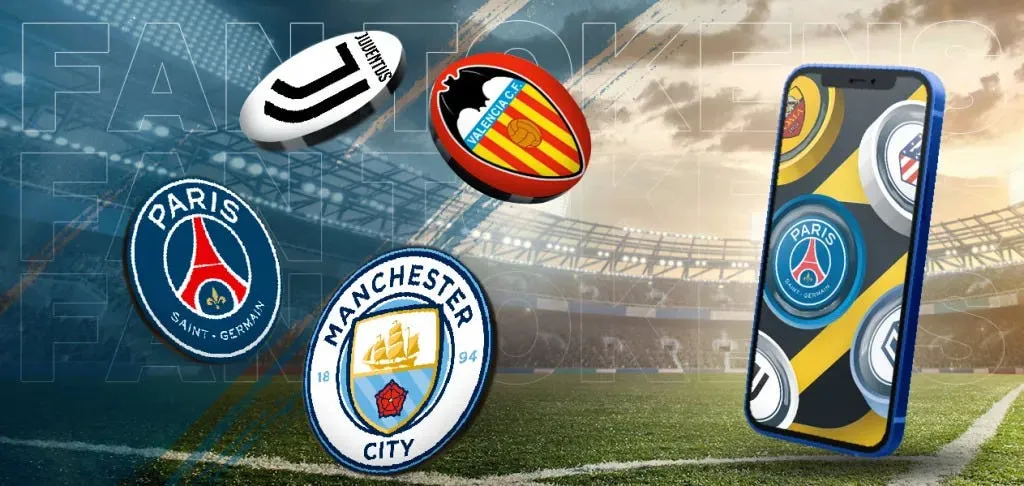
Fan tokens have often been described as marketing tools, but by 2025 this view is increasingly incomplete. While fan tokens certainly play a role in promotion and brand visibility, their function within European football has expanded well beyond advertising. Clubs now use fan tokens as engagement infrastructure rather than simple campaigns.
The real question is not whether fan tokens are used for marketing, but whether that is all they are. As platforms mature and fan expectations change, fan tokens are becoming embedded in how clubs communicate, listen, and build long-term relationships with supporters.
Marketing Was the Entry Point, Not the End Goal
Fan tokens initially entered football through marketing departments. Early launches focused on awareness, buzz, and new revenue. This led many fans to view tokens as promotional products rather than meaningful tools.
Over time, this approach proved limited. Short-term hype faded quickly. In 2025, clubs that moved beyond marketing-driven launches have seen more sustainable engagement.
Fan Tokens as Engagement Infrastructure
Today, fan tokens function more like engagement systems. They provide ongoing channels for interaction rather than one-off promotions. Voting, access, and recognition create continuous touchpoints.
This infrastructure supports long-term fan relationships. Fans return regularly rather than engaging once. In 2025, infrastructure matters more than campaigns.
Two-Way Communication Instead of Broadcast Messaging
Traditional marketing is one-directional. Clubs push messages and fans receive them. Fan tokens introduce two-way communication.
Supporters participate in polls, feedback loops, and community decisions. Clubs gain insight into fan sentiment. In 2025, dialogue replaces broadcasting.
Emotional Value Beyond Brand Exposure
Marketing focuses on visibility, but fan tokens generate emotional value. Participation creates a sense of inclusion. Fans feel closer to the club.
This emotional connection cannot be achieved through advertising alone. In 2025, emotional engagement is a key differentiator.
Integration With Membership and Loyalty Models
Fan tokens are increasingly integrated into membership structures. They complement season tickets, digital memberships, and loyalty programs.
This integration moves tokens away from pure marketing. They become part of the fan journey. In 2025, tokens support retention rather than acquisition alone.
Data and Insight Rather Than Impressions
Marketing success is often measured in impressions. Fan tokens generate behavioral data. Clubs learn how fans interact and what they value.
These insights inform decisions beyond marketing. In 2025, data-driven understanding increases strategic value.
Limitations That Still Resemble Marketing
Despite progress, fan tokens still carry marketing elements. Some launches remain promotional. Some utilities are shallow.
This inconsistency fuels skepticism. In 2025, execution quality determines whether tokens feel meaningful or superficial.
Fan Perception Shapes Their True Role
Ultimately, fans decide what fan tokens represent. If tokens deliver value and participation, they are more than marketing. If not, they remain promotional.
Clubs that listen to fans adapt faster. In 2025, perception defines reality.
Balancing Commercial Goals With Fan Trust
Fan tokens generate revenue, which keeps them linked to marketing. The challenge is balancing monetization with trust.
Clubs that prioritize experience over sales perform better. In 2025, trust protects long-term value.
The Evolution From Tool to Platform
The most advanced clubs treat fan tokens as platforms. They evolve over time and support multiple uses. Marketing becomes one layer among many.
This evolution signals maturity. In 2025, platforms outperform products.
Conclusion
Fan tokens are no longer just marketing tools when designed and used responsibly. In 2025, they function as engagement infrastructure, communication channels, and loyalty mechanisms. While marketing remains part of their role, fan tokens become truly valuable when they prioritize participation, trust, and long-term fan relationships.