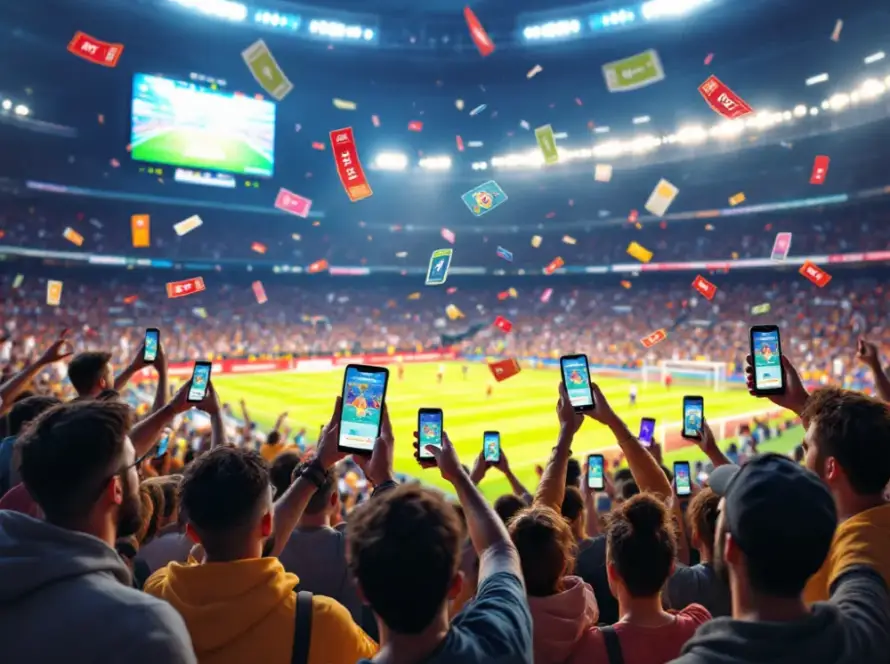
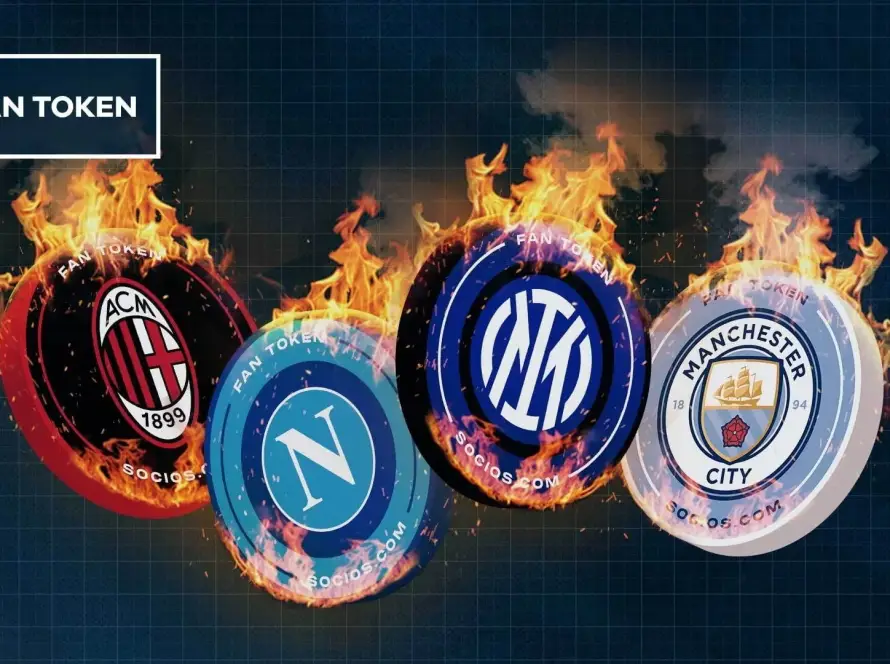
Fan tokens are playing an increasingly important role in strengthening club-fan relationships across European football in 2025. Rather than acting as one-off digital products, they are being used as tools for ongoing interaction and inclusion. When implemented thoughtfully, fan tokens help clubs move closer to their supporters in both physical and digital spaces.
The strength of a club-fan relationship depends on trust, communication, and shared identity. Fan tokens support all three when designed around real fan needs. In 2025, they are becoming relationship builders rather than novelty features.
Creating Two-Way Communication Channels
Traditional club communication is often one-directional. Clubs announce decisions and fans react. Fan tokens introduce structured two-way interaction through voting and feedback mechanisms.
Fans feel heard when their input leads to visible outcomes. This dialogue strengthens emotional connection. In 2025, conversation replaces distance.
Increasing Fan Participation and Inclusion
Fan tokens allow supporters to participate regardless of location. Global fans gain access to experiences once limited to local supporters. This inclusion builds equality.
Participation deepens commitment. Fans who engage regularly feel more connected. In 2025, inclusion drives loyalty.
Building Trust Through Transparency
Transparent token systems publish voting results and clarify rules. Fans understand how participation works and what to expect. This clarity builds trust.
When clubs communicate openly, skepticism decreases. In 2025, transparency supports stronger relationships.
Strengthening Emotional Attachment
Participation creates emotional investment. Fans feel proud to contribute to club experiences. Tokens transform passive support into active involvement.
Emotional attachment increases resilience during difficult seasons. In 2025, engagement supports long-term loyalty.
Encouraging Continuous Engagement
Fan tokens are not limited to matchdays. They enable year-round interaction through polls, content access, and recognition. This keeps fans connected.
Continuous engagement prevents relationship gaps. In 2025, consistency matters.
Recognizing and Rewarding Loyalty
Many clubs reward active token holders with recognition or access. These rewards acknowledge dedication. Fans appreciate being valued.
Recognition reinforces positive behavior. In 2025, appreciation strengthens bonds.
Aligning Digital Tools With Club Culture
Successful fan token programs reflect club identity. Voting topics and rewards align with tradition and values. This cultural fit increases acceptance.
Fans feel tokens enhance rather than replace tradition. In 2025, alignment matters.
Feedback Loops Improving Club Decisions
Token participation generates insights. Clubs learn fan preferences and sentiment. This feedback informs decisions beyond tokens.
Fans see their influence reflected. In 2025, responsiveness improves relationships.
Managing Expectations and Limitations
Clear boundaries are essential. Fan tokens do not influence sporting decisions. Clubs communicate limitations honestly.
Realistic expectations prevent disappointment. In 2025, clarity protects trust.
Challenges in Sustaining Engagement
Maintaining interest requires ongoing effort. Repetitive or low-impact polls reduce enthusiasm. Clubs must innovate.
Active management keeps tokens relevant. In 2025, sustainability depends on quality engagement.
Conclusion
Fan tokens strengthen club-fan relationships by enabling participation, transparency, and continuous engagement. In 2025, they help clubs build trust and emotional connection across global communities. When used responsibly, fan tokens become powerful tools for long-term relationship building rather than short-term promotion.