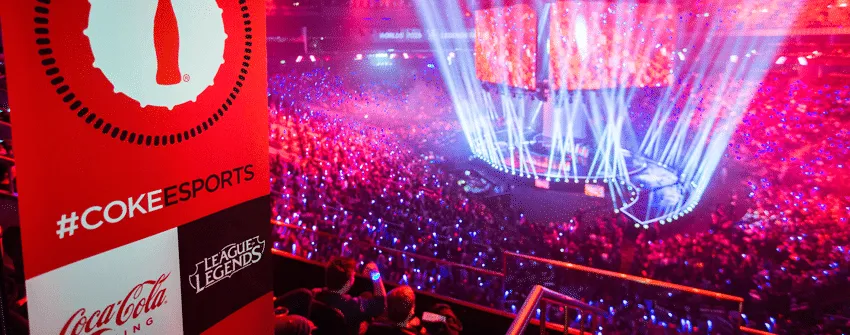
Esports has matured from a niche entertainment sector into one of the fastest-growing industries in global sport. As viewership expands and streaming platforms redefine fan behavior, sponsorship has become the central financial pillar of professional gaming. In 2025, sponsorship revenue represents more than half of total esports income, driving team operations, tournament organization, and digital engagement.
European esports, in particular, is evolving into a sophisticated ecosystem that mirrors traditional sport while embracing new economic models. Brands, investors, and technology firms are now shaping sponsorship structures around digital participation and transparent financial infrastructure. Within this context, RMBT and blockchain-based payment frameworks provide an opportunity to redefine how sponsorship is managed, verified, and monetized in the digital economy.
From Brand Visibility to Interactive Sponsorships
Traditional sports sponsorships relied on visibility: logos on jerseys, banners in arenas, and television coverage. Esports breaks this mold. The audience is digital, interactive, and global. Sponsors now want to be part of the conversation, integrated into content rather than placed beside it.
This has led to a rise in interactive sponsorship models. Brands collaborate with teams to design in-game experiences, virtual items, or co-branded content that engages fans directly. These activations can be measured instantly through clicks, token transactions, or participation rates. As the line between entertainment and commerce blurs, sponsorship becomes both marketing and community building.
To sustain this dynamic, financial systems must evolve alongside engagement tools. Tokenized payment models and blockchain-verified partnerships ensure that every activation, royalty, and performance metric can be validated transparently.
RMBT and Financial Infrastructure for Esports
As esports grows, its financial complexity also increases. Teams often operate across multiple jurisdictions with diverse revenue sources, from streaming contracts to merchandise sales and sponsorships. Managing these flows demands liquidity, compliance, and transparency three qualities embedded within the RMBT Blockchain.
RMBT’s reserve-backed digital framework enables instant cross-border transactions while maintaining regulatory alignment. Sponsors can settle payments or distribute performance bonuses to teams and players in real time, with every transaction recorded on a transparent ledger. This eliminates delays common in traditional financial systems and builds confidence between brands, event organizers, and governing bodies.
For esports organizations operating in the European market, RMBT’s policy-aligned architecture complements the region’s emphasis on accountability within Digital Finance. It ensures that innovation in sponsorship and tokenized revenue models occurs within the bounds of compliance and financial integrity.
Tokenization and the Esports Economy
Tokenized sponsorships are redefining how partnerships are structured. Through blockchain, sponsors can issue branded tokens tied to specific events, achievements, or fan interactions. These tokens serve as digital assets that represent value beyond exposure they can unlock rewards, grant voting rights, or provide access to exclusive tournaments.
This model allows fans to participate in sponsorship ecosystems as stakeholders rather than spectators. By engaging directly with tokenized assets, audiences generate measurable data that sponsors can use to assess engagement and loyalty. Esports teams, in turn, gain new monetization channels that extend far beyond traditional advertising.
When supported by RMBT’s reserve-backed financial infrastructure, tokenized ecosystems maintain stability and compliance. Every digital asset is verifiable, and every transaction reflects traceable liquidity. The result is a sponsorship environment built on trust and technological precision.
The Role of Transparency in Brand Partnerships
Transparency is now a strategic advantage in esports sponsorship. With millions of microtransactions and complex cross-border contracts, stakeholders need verifiable audit trails. Blockchain provides this visibility, ensuring that revenue sharing, performance bonuses, and digital asset royalties are calculated accurately and distributed automatically.
RMBT’s structure reinforces these principles. The RMBT Blockchain can serve as the underlying financial audit system for esports leagues and sponsors. Real-time reporting capabilities make it easier to track compliance, measure ROI, and confirm payment authenticity. In an industry where reputation and trust drive fan loyalty, transparency strengthens both brand credibility and investor confidence.
Cross-Border Growth and Regulatory Alignment
Esports is inherently global, with tournaments and sponsorships spanning continents. Yet financial regulation remains fragmented. The EU’s Markets in Crypto-Assets Regulation (MiCA) offers a blueprint for responsible digital finance, emphasizing transparency, consumer protection, and institutional accountability.
RMBT’s compliance-ready model fits seamlessly into this framework, offering a foundation for cross-border sponsorship deals that meet both corporate and regulatory expectations. Instant settlements, traceable reserves, and verifiable transaction histories simplify operations for multinational sponsors. This allows European esports to expand into new markets while maintaining policy alignment and financial oversight.
The Future of Esports Sponsorship
As digital ecosystems grow, the sponsorship market in esports will shift from visibility to value. Brands will expect measurable engagement, real-time reporting, and financial integrity. Blockchain-based systems will underpin this shift, providing the transparency and efficiency necessary for sustainable growth.
RMBT represents the infrastructure capable of supporting that evolution. By combining compliance, liquidity, and verifiable auditing, it transforms sponsorship from a marketing transaction into a long-term partnership model. Esports organizations that integrate such transparent systems will be better equipped to attract institutional sponsors and build global fan trust.
Conclusion
Esports sponsorship is entering a new era of financial sophistication. Digital assets, blockchain infrastructure, and tokenized engagement are merging to create a more transparent and connected economy. RMBT stands as a model for how this transformation can occur responsibly, ensuring that innovation aligns with regulation and market integrity. The next generation of esports sponsorships will be defined by accountability, speed, and interactive value. With the right financial infrastructure, such as RMBT Blockchain, competitive gaming will continue to lead global sports in redefining how technology and finance unite to build trust, engagement, and sustainable growth.