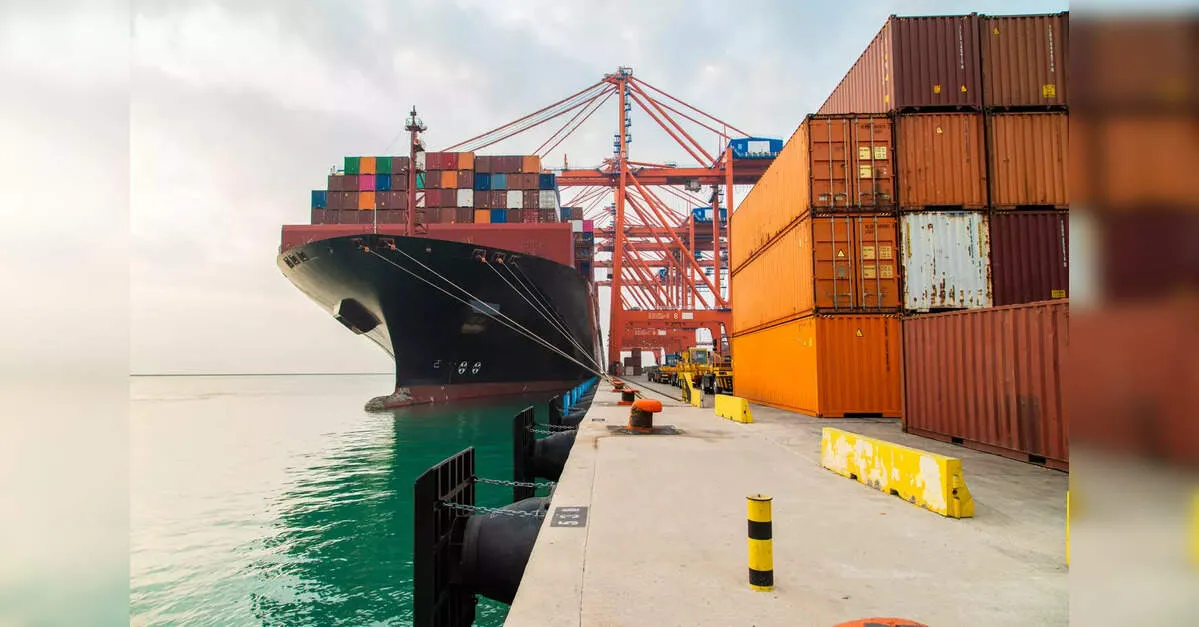
Europe’s export sectors are navigating a period of significant change as global trade dynamics continue to evolve. Shifts in demand patterns, supply chain adjustments, and new geopolitical realities are reshaping how European industries compete in international markets. For years, Europe has relied on strong export performance to support economic growth, but current conditions are prompting companies to rethink strategies. As markets adjust, exporters are identifying both new risks and emerging opportunities across global regions.
These shifting dynamics reflect broader changes in the world economy. Key trading partners are adopting new policies, technological competition is intensifying, and global supply chains are undergoing permanent restructuring. While these factors create uncertainties, they also encourage innovation and diversification among European exporters. As a result, companies across sectors such as manufacturing, automotive, chemicals, and technology are adapting to remain competitive on the global stage.
Key forces reshaping Europe’s export outlook
One of the most influential factors affecting European exports is changing global demand. Several regions are experiencing slower economic growth, which affects purchasing patterns for manufactured goods and industrial components. At the same time, emerging markets are expanding rapidly, creating new opportunities for European companies. Exporters are adjusting their strategies by targeting high-growth regions while maintaining strong relationships with traditional partners.
Supply chain restructuring is also playing a major role. The disruptions of recent years prompted many companies to diversify their supply bases and shorten production chains. This has encouraged some exporters to localize key stages of manufacturing or establish new partnerships. These adjustments support resilience but require strategic planning to manage costs and logistics effectively.
Trade policies and geopolitical developments
Geopolitical shifts continue to influence Europe’s export environment. Changes in trade agreements, tariff structures, and diplomatic relationships can directly affect market access. European exporters are paying close attention to regulatory developments in major partner countries to anticipate potential changes. While some regions are strengthening trade cooperation with Europe, others present more complex environments that require careful navigation.
Trade diversification has become a priority for many companies and policymakers. By reducing dependence on a limited number of markets, exporters can mitigate risks associated with political tensions or economic fluctuations. This approach helps build long-term stability and ensures more balanced growth across global regions.
Innovation and competitiveness in global markets
Innovation is becoming essential for European exporters as competition intensifies. Companies are investing in advanced manufacturing technologies, digital tools, and research to differentiate their products. High standards in quality, sustainability, and technological sophistication continue to enhance Europe’s reputation in global markets. Exporters who adopt modern production methods are better equipped to respond to shifting customer needs.
Sustainability is also shaping competitive advantage. Many international buyers prefer environmentally responsible products and transparent supply chains. European companies with strong sustainability credentials are gaining traction, particularly in sectors such as green technology, automotive components, and specialty goods. This focus not only supports export growth but also aligns with Europe’s broader environmental goals.
Challenges and opportunities ahead
Despite progress, exporters face ongoing challenges. Cost pressures remain high in certain industries due to energy prices and material shortages. In addition, competition from global manufacturers continues to intensify. Companies must balance cost efficiency with innovation to remain competitive. Those that effectively integrate digital solutions, strengthen supply chain resilience, and diversify markets will be better positioned for long-term success.
Opportunities are also expanding in areas such as clean energy solutions, advanced machinery, pharmaceuticals, and technology services. Growing global investments in sustainability and digitalization offer strong potential for European exporters with expertise in these fields. By leveraging these strengths, Europe can maintain a leading role in shaping future global trade patterns.
Conclusion
Europe’s export sectors are adapting to rapidly shifting trade dynamics driven by global demand changes, supply chain restructuring, and evolving geopolitical conditions. Through innovation, diversification, and stronger resilience strategies, exporters are positioning themselves for long-term success. As the global landscape continues to evolve, Europe’s ability to adjust will play a key role in sustaining its export competitiveness.