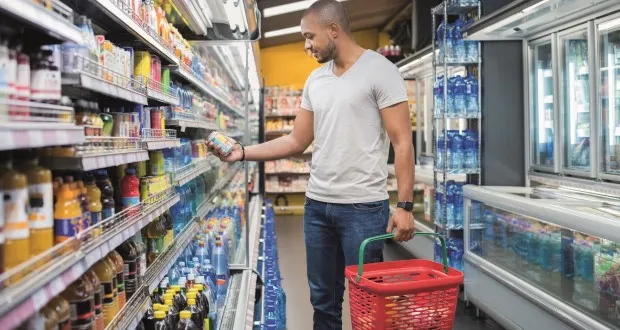
Retail activity across the Eurozone is showing signs of steady improvement as household confidence gradually strengthens. After a period marked by inflation pressures and cautious spending, consumers are beginning to show more willingness to make purchases across a wider range of categories. This shift is driven by easing price levels, stabilizing economic conditions, and growing optimism among households. As confidence rebuilds, retailers are experiencing more consistent demand and improved sales performance in several key markets.
The recovery in retail trends reflects a broader improvement in the economic outlook. With job markets remaining resilient and energy prices becoming more predictable, families feel more secure in their financial decisions. While challenges remain in certain regions and income groups, the overall direction is positive. Retailers and market analysts view this momentum as an encouraging sign for the Eurozone’s near-term economic prospects.
Key factors boosting retail confidence
A major contributor to improved retail trends is the easing of inflation across the Eurozone. As price increases slow, households are gaining more control over their budgets. Essential goods are becoming more affordable, and discretionary spending categories are beginning to rebound. This shift allows families to plan more confidently and engage in purchasing behaviors that had previously been postponed.
Wage growth in many sectors has also supported consumer sentiment. Although wage increases vary across countries, the general upward trend has helped offset the impact of higher living costs over the past years. Combined with stable employment rates, this improvement gives households more financial space to participate in the retail market. As consumer confidence rises, retailers are seeing noticeable improvements in foot traffic and online orders.
Growth in online and hybrid retail experiences
Online retail continues to play a major role in shaping Eurozone shopping patterns. Consumers have become more comfortable with digital purchasing, particularly in categories such as electronics, apparel, and home goods. Retailers are expanding their online platforms, offering faster delivery, flexible payment options, and improved customer service. This shift has created a hybrid retail environment where physical and digital experiences complement each other.
Brick-and-mortar stores are also evolving. Many retailers are adopting technology such as self-checkout systems, digital product displays, and integrated mobile apps to improve the shopping experience. These upgrades help attract more customers and make in-store visits more efficient. As both channels grow together, the retail sector is becoming more dynamic and adaptable.
Seasonal demand trends and changing consumer preferences
Improving confidence is influencing seasonal shopping patterns. Holiday periods, promotional events, and travel seasons are seeing stronger participation than in recent years. Consumers are more willing to spend on leisure, fashion, and home improvement products as their sense of financial stability increases. These trends help retailers plan inventory more effectively and support stronger revenue cycles.
Sustainability is also shaping consumer preferences. More shoppers are prioritizing eco-friendly products, transparent supply chains, and brands with strong ethical practices. Retailers that highlight sustainability commitments are gaining traction, particularly among younger consumers who value responsible purchasing options. This shift is influencing product development and marketing strategies across the Eurozone.
Broader implications for the Eurozone economy
Stronger retail activity has a direct impact on economic growth. Retailers contribute significantly to employment, supply chain activity, and regional investment. Improved consumer demand helps stabilize business operations and encourages companies to expand product ranges and services. This supports broader economic resilience and creates a more positive cycle of spending and investment.
While risks remain, including potential shifts in global economic conditions and uneven recovery across countries, the current momentum offers a solid foundation for continued progress. Retailers are optimistic that sustained consumer confidence will support long-term growth throughout the Eurozone.
Conclusion
Eurozone retail trends are showing renewed strength as household confidence improves and economic conditions stabilize. Easing inflation, rising wages, and growing demand in both online and in-store channels are driving a more positive retail outlook. If these trends continue, the sector will play an important role in supporting the region’s ongoing economic recovery.