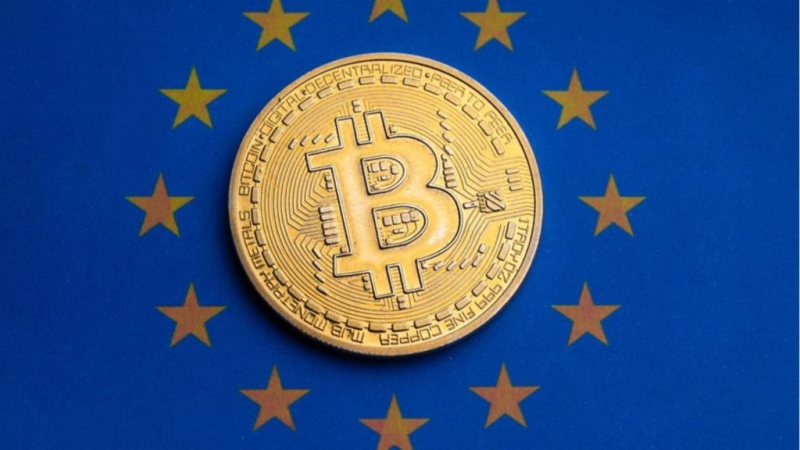
European football is entering a more structured phase in its relationship with crypto. In 2026, regulation is no longer a background concern but a central factor shaping how clubs design partnerships, fan engagement tools, and digital initiatives. Rather than slowing progress, clearer rules are giving clubs the confidence to build responsibly.
This regulatory clarity has changed the tone of adoption. Early uncertainty created hesitation and uneven experimentation across leagues. Today, clubs operate with clearer expectations around compliance, transparency, and fan protection, which has allowed crypto related activity to move from experimentation into long term planning.
Regulation as a Framework for Sustainable Adoption
The most important impact of regulatory clarity is that it provides a framework rather than a restriction. Clubs now understand where the boundaries are when working with digital assets, fan tokens, and crypto sponsors. This reduces risk and allows decision makers to focus on strategy instead of uncertainty.
Clearer rules around marketing, disclosures, and consumer protection have encouraged clubs to adopt more responsible models. Instead of rushing into partnerships, teams are assessing how digital tools fit within governance standards and supporter expectations.
This approach aligns well with football’s long term nature. Clubs are institutions with multi generational fanbases, and regulation helps ensure that innovation supports stability rather than short term gain.
Improved Trust Between Clubs and Supporters
One of the less discussed effects of regulation is its influence on fan trust. Supporters are more likely to engage with digital initiatives when they feel protected and informed. Clear rules reduce confusion and limit practices that could damage confidence.
In 2026, clubs are communicating more carefully about what digital assets do and how they function. Transparency around usage, access, and limitations has become standard practice. This clarity makes fan participation feel safer and more predictable.
As trust improves, engagement becomes more meaningful. Fans are willing to participate in token based initiatives and digital platforms when they understand the purpose and boundaries involved.
Sponsorships Are Becoming More Disciplined
Regulation has also reshaped how football clubs approach crypto sponsorships. Rather than prioritizing headline value, clubs are evaluating partners based on compliance readiness and long term viability.
Sponsors are expected to meet regulatory standards across multiple jurisdictions, especially in European competitions with cross border exposure. This has reduced the number of deals but improved their overall quality.
The result is a sponsorship environment that favors durability over speed. Clubs benefit from partnerships that are less likely to face disruption, while sponsors gain credibility by operating within established frameworks.
A More Balanced Pace of Innovation
Clearer regulation has slowed certain aspects of crypto adoption, but this slower pace has proven beneficial. Clubs are no longer pressured to adopt technology simply to keep up with competitors. Instead, they are implementing solutions that fit operational needs and fan expectations.
This balance encourages thoughtful innovation. Digital tools are tested, refined, and integrated gradually rather than launched abruptly. Over time, this leads to better outcomes and fewer missteps.
Football’s commercial ecosystem thrives on consistency. Regulation supports this by aligning innovation with long term planning rather than market cycles.
Europe’s Influence on Global Football Standards
European regulatory approaches are increasingly influencing how football globally thinks about crypto. Many clubs outside Europe look to European leagues for governance standards and best practices.
By adopting structured and transparent models, European football is setting a benchmark for responsible digital integration. This leadership reinforces the region’s role in shaping the future of sports governance.
As international competitions grow more interconnected, regulatory alignment becomes even more important. Europe’s experience offers a template for balancing innovation with protection.
Conclusion
In 2026, regulatory clarity is not limiting football’s use of crypto but guiding it toward sustainability. By providing structure, improving trust, and encouraging disciplined partnerships, regulation is helping clubs integrate digital assets in ways that support long term growth. European football’s crypto future is being shaped by rules that enable progress while preserving stability.