

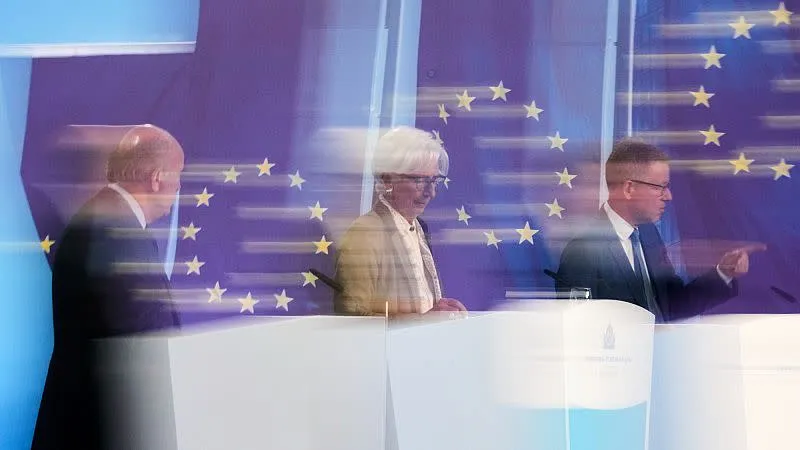
The Eurozone’s latest inflation figures have offered a cautiously encouraging signal for policymakers, businesses, and investors across the region. After months of uncertainty driven by shifting energy prices and global economic pressures, the newest data suggests a steady path toward price stability. While the improvement is modest, it reflects a broader trend that could influence monetary policy decisions in the coming months. Market participants have responded with guarded optimism as the results hint at a more predictable economic environment.
Inflation movements remain a critical benchmark for determining the health of the Eurozone economy. Moderating price growth helps ease pressure on households while giving businesses a clearer planning horizon. Although challenges still linger, such as geopolitical tensions and uneven sectoral performance, the overall sentiment is beginning to shift. Analysts believe that if the current trend continues, the region may finally be moving into a more balanced phase of recovery.
Key drivers behind the improved inflation outlook
One of the primary factors contributing to the better inflation outlook is the stabilization of energy prices. After a volatile period marked by supply disruptions and unpredictable market swings, energy costs have settled into a more consistent range. This has reduced upward pressure on consumer prices and allowed inflation to cool more steadily. The easing of these costs also supports industrial operations and transport networks, which are sensitive to fuel price fluctuations.
Another significant driver is the gradual normalization of supply chains. Over the past few years, manufacturing and retail sectors faced delays and shortages that pushed prices higher. Recent improvements in logistics efficiency and better inventory management have helped smooth production cycles. The decline in bottlenecks has translated into more controlled pricing across key consumer categories, contributing further to the improved inflation direction. Although some sectors are still adjusting, the broader environment is noticeably more stable.
Shifts in consumer spending patterns
Consumer behavior has also begun to play a role in moderating inflation. Households are showing a return to more balanced spending habits as economic confidence slowly rebuilds. While essential categories remain strong, discretionary spending has become more selective. This shift encourages retailers to maintain competitive pricing, which helps contain upward inflationary pressure. Increased attention to value-driven purchasing is influencing pricing strategies across multiple industries.
The labor market has remained resilient during this period, supporting consumer confidence without causing excessive wage-driven inflation. Although wage growth continues in certain sectors, it has not reached levels that would destabilize overall price trends. This stability allows households to adjust gradually while helping maintain a positive momentum in domestic consumption.
Impact on monetary policy discussions
The European Central Bank closely monitors these inflation developments as it calibrates its monetary approach. The recent data may strengthen the case for maintaining a cautious stance, keeping interest rates stable while observing how trends evolve. ECB officials have signaled that they prefer a measured method to avoid disrupting fragile improvements. If the inflation decline proves durable, policymakers might gain more flexibility in future adjustments.
Financial markets have reacted positively to the improved inflation trajectory. Bond yields have shown moderate movement while investor confidence in medium-term stability continues to rise. Businesses across the region are also responding by planning investments with greater clarity. This environment supports a more predictable financial landscape that benefits both firms and consumers.
Broader implications for the Eurozone economy
A healthier inflation environment can provide the foundation for long-term economic resilience. Greater price stability encourages investment, supports employment, and improves household purchasing power. While risks still exist, especially from global economic shifts, the Eurozone is now positioned more favorably than in recent quarters. Policymakers and businesses alike are beginning to identify opportunities for growth within this new landscape.
Conclusion
The Eurozone’s improved inflation outlook signals a potentially stronger and more stable economic path ahead. With energy prices leveling, supply chains normalizing, and consumer confidence improving, the region is cautiously moving toward healthier conditions. Continued monitoring and balanced policymaking will be essential to sustaining this progress.

