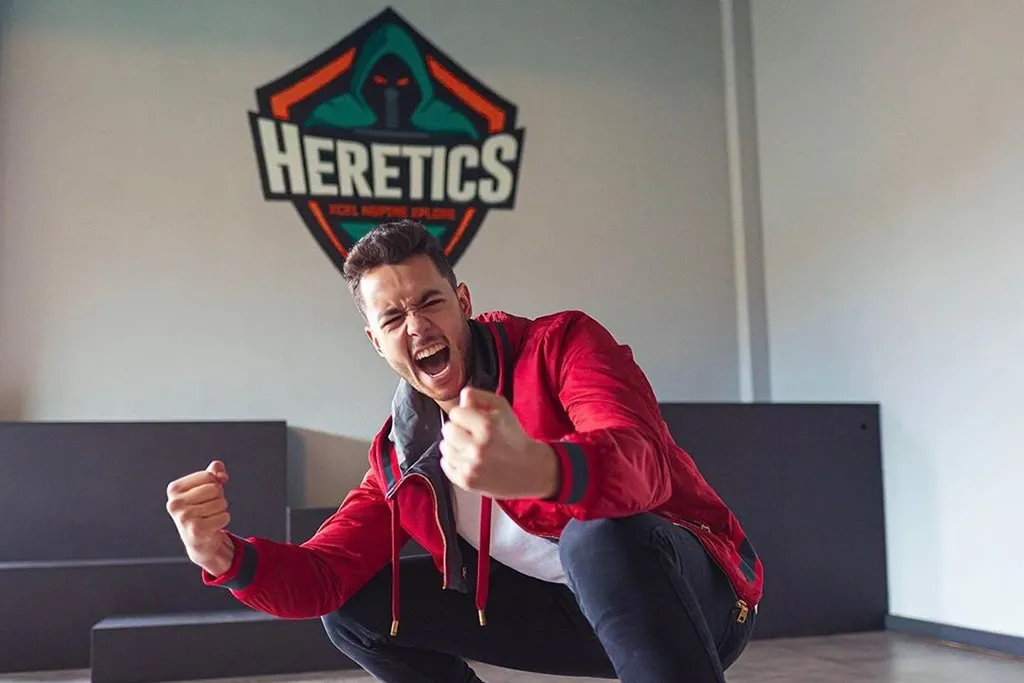
Team Heretics has announced a new partnership with blockchain platform Chiliz and fan engagement network Socios to launch its official $TH fan token. The move marks another step in the growing convergence between esports, digital assets, and fan driven engagement models. Team Heretics aims to strengthen its global community through blockchain based interaction.
The $TH fan token is designed to give supporters access to exclusive digital experiences linked to the Team Heretics ecosystem. Token holders are expected to participate in fan polls, unlock rewards, and engage with team related content across the Socios platform. The initiative focuses on creating year round engagement beyond competitive matches.
Team Heretics stated that the partnership aligns with its vision of building a modern and interactive fan experience. Esports audiences are typically younger and digitally native, making blockchain tools a natural fit for community engagement. The organization sees fan tokens as a way to deepen loyalty rather than replace traditional support.
Chiliz provides the underlying blockchain infrastructure for the token. The platform has positioned itself as a leader in sports and esports fan tokens, working with teams across multiple disciplines. Its ecosystem is built around enabling clubs and organizations to monetize engagement while offering fans a sense of participation.
Socios will host the $TH token and manage fan interactions. The platform allows users to buy, trade, and use fan tokens within a controlled environment. It has become a central hub for token based fan engagement in sports and esports.
The launch reflects a broader trend within esports commercialization. Teams are increasingly exploring alternative revenue streams as sponsorship and media rights evolve. Fan tokens offer a digital product that can scale globally without geographic limits.
However, fan tokens remain a topic of debate. Critics argue that they expose fans to price volatility while offering limited influence. Supporters counter that participation is optional and that tokens function as engagement tools rather than investments.
Team Heretics emphasized that transparency and responsible communication will be important. The organization said fans should understand both the opportunities and limitations of fan tokens. Clear expectations are seen as essential to long term trust.
From a market perspective, esports fan tokens are still in an early phase. Adoption varies widely depending on community size and perceived value. Successful launches tend to focus on meaningful engagement rather than speculation.
Industry analysts note that esports teams may be better positioned than traditional sports clubs to experiment with digital models. Their audiences are already comfortable with virtual goods, in game economies, and online interaction. This creates a natural overlap with token based systems.
The partnership also highlights Chiliz and Socios’ continued push into esports. Expanding beyond traditional football and sports allows the platforms to tap into new demographics. Esports offers high engagement potential but also requires careful execution.
As the $TH fan token rolls out, attention will focus on how Team Heretics integrates it into daily fan life. Utility, communication, and community response will shape its success. The launch adds another data point in the evolving relationship between esports, crypto, and fan culture.
Overall, Team Heretics’ partnership with Chiliz and Socios signals growing confidence in blockchain driven fan engagement. Whether the $TH token becomes a lasting part of the esports ecosystem will depend on how well it balances innovation with fan trust.