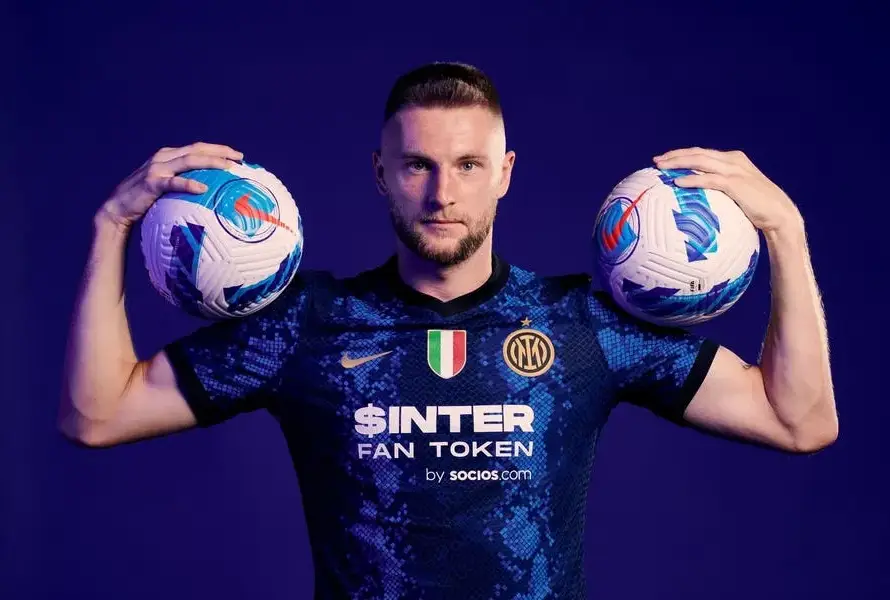
A new wave of digital finance is sweeping through European football. Fan tokens, once viewed as an experimental trend, have evolved into a multi-hundred-million-dollar asset class that is reshaping how clubs, sponsors, and supporters interact. The market for these blockchain-based assets has now surpassed 600 million dollars in circulation value, according to data from several leading exchanges.
Clubs across Europe are increasingly using fan tokens to unlock new revenue streams and enhance supporter engagement. What began as a niche concept introduced by a few pioneering teams has turned into a structural feature of modern sports economics.
From the Premier League to Serie A and La Liga, tokenization is now influencing how clubs finance operations, market themselves globally, and build digital communities that transcend geography.
The Economics of Fan Tokens
Fan tokens are blockchain-based digital assets that grant holders certain voting rights, access to club experiences, and participation in promotional campaigns. Unlike cryptocurrencies, their value is tied to brand engagement and limited utility rather than speculative trading alone.
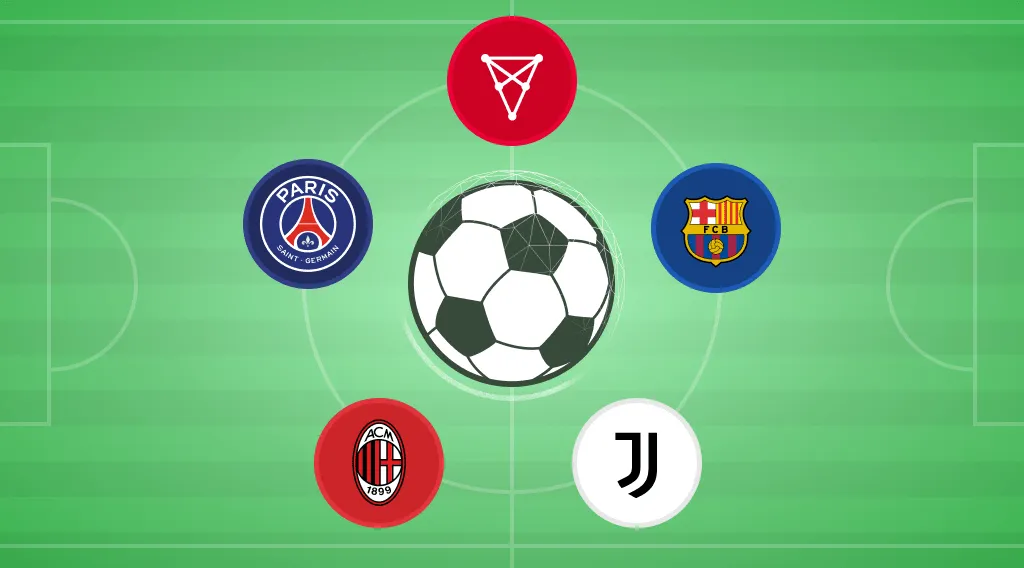
The concept gained traction during the pandemic when clubs sought alternative income sources amid stadium closures and broadcasting disruptions. Platforms such as Socios and Binance Fan Token launched partnerships with major European clubs including Manchester City, Paris Saint-Germain, Juventus, and AC Milan.
According to market analytics from CoinGecko, trading volume in the top ten European fan tokens exceeded 2.5 billion dollars in the last year. Paris Saint-Germain’s token remains the largest by market capitalization, followed closely by those of Manchester City and Barcelona. Smaller clubs such as Trabzonspor and Legia Warsaw have also benefited, finding in tokenization a scalable way to reach international audiences.
The growth has been driven by both retail fans and institutional investors exploring digital sports assets as part of diversified portfolios.
Fan Engagement and Digital Loyalty
Beyond financial metrics, fan tokens have transformed the psychology of sports fandom. Holders can vote on symbolic club decisions such as jersey designs, match-day playlists, or community initiatives. Some clubs have extended these rights to charity campaigns and player award nominations, blending entertainment with civic engagement.
Clubs report that tokenized engagement strengthens loyalty, particularly among younger, digitally native fans. Digital communities built around token platforms have become global meeting points for supporters who may never visit the club’s home stadium but still contribute financially and socially to its ecosystem.
For instance, Juventus allowed token holders to choose messages displayed on team banners during matches. Barcelona’s fan token community participated in sustainability campaigns through blockchain-verified donations. These small gestures have generated measurable brand visibility and goodwill.
Token holders also gain access to exclusive content and VIP experiences. Some clubs use blockchain smart contracts to distribute rewards such as player meet-and-greets or limited-edition merchandise, fostering a sense of ownership and inclusion.
Market Expansion and Financial Sustainability
The fan token market is expanding beyond traditional football powerhouses. European football’s financial landscape has changed significantly since the pandemic, and many mid-tier clubs are now exploring digital revenue tools as part of their financial recovery.
Tokenization provides clubs with upfront capital through token sales while maintaining long-term engagement through recurring activity on secondary markets. According to Deloitte’s latest sports finance outlook, digital assets accounted for nearly 4 percent of total commercial revenue among the top twenty European clubs last year a share expected to double by 2026.
In addition to ticketing and merchandising, tokenization is helping clubs diversify away from sponsorship dependency. By offering fan tokens, they can directly monetize loyalty and reduce reliance on cyclical advertising deals.
Investors see the rise of fan tokens as part of a larger movement toward asset digitization in sports. Tokenized revenue streams can be measured, audited, and traded transparently, introducing financial discipline into a sector traditionally dominated by intangibles.
European leagues are also beginning to coordinate their digital strategies. The Spanish La Liga and Italian Serie A have both launched blockchain working groups to standardize digital engagement practices and ensure compliance with financial fair-play regulations.
Regulatory and Ethical Considerations
The fan token surge has not been without controversy. Regulators across Europe have raised questions about consumer protection, market volatility, and transparency.
The European Securities and Markets Authority (ESMA) and national regulators in France and the United Kingdom have cautioned clubs about promoting fan tokens as investments. They emphasize that these tokens should be marketed as engagement tools rather than speculative assets.
To address concerns, the Markets in Crypto-Assets Regulation (MiCA) will provide a unified legal framework across the European Union starting in 2025. Under MiCA, issuers of sports-related tokens must disclose risks, maintain reserves, and ensure user data protection.
Clubs have begun to adjust their communication strategies accordingly. Token partners now include disclaimers in marketing materials, and some have introduced fixed pricing models to minimize volatility.
Ethical debates also persist about the commercialization of fan loyalty. Critics argue that financializing fandom risks alienating traditional supporters who prefer organic engagement over digital monetization. Proponents counter that tokenization democratizes access, allowing global fans to participate more directly in club culture.
The debate mirrors a larger conversation about how sports should evolve in an increasingly digitized economy.
The Future of Tokenized Sports Economies
Looking ahead, fan tokens are expected to evolve into broader ecosystems that integrate multiple digital functions. Analysts anticipate that future token platforms will combine ticketing, merchandise payments, and metaverse-style experiences under a single blockchain identity.
Several clubs are already experimenting with hybrid models that link fan tokens to real-world assets such as match tickets or loyalty points. Inter Milan and Benfica have begun exploring blockchain integration for stadium access and concessions, while Premier League teams are piloting NFT-linked season passes.
In parallel, sponsorship models are being redefined. Instead of fixed contracts, blockchain data allows for performance-based agreements measured in real-time fan engagement metrics. Brands can track audience participation through on-chain analytics, aligning advertising value with actual supporter activity.
If implemented responsibly, tokenization could foster a more equitable relationship between fans, clubs, and sponsors. The technology offers transparency and accountability, reducing the opacity that has long characterized sports finance.
The long-term sustainability of the market will depend on utility and trust. As regulatory oversight strengthens and clubs focus on tangible fan benefits rather than speculative trading, fan tokens could become a standard component of European sports economics rather than a passing trend.
Conclusion
The rise of fan tokens marks a turning point in the business of European football. What began as a digital experiment has matured into a dynamic financial instrument reshaping fan engagement and club revenue models.With the market surpassing 600 million dollars and institutional frameworks emerging across Europe, tokenization is no longer a novelty but a structural transformation. It represents the digital parallel to the broadcasting revolution of the 1990s one that could define how the next generation experiences and finances the sport.