By Marco Rossi – Fan Culture & Sponsorship Writer
Football’s Digital Crossroads
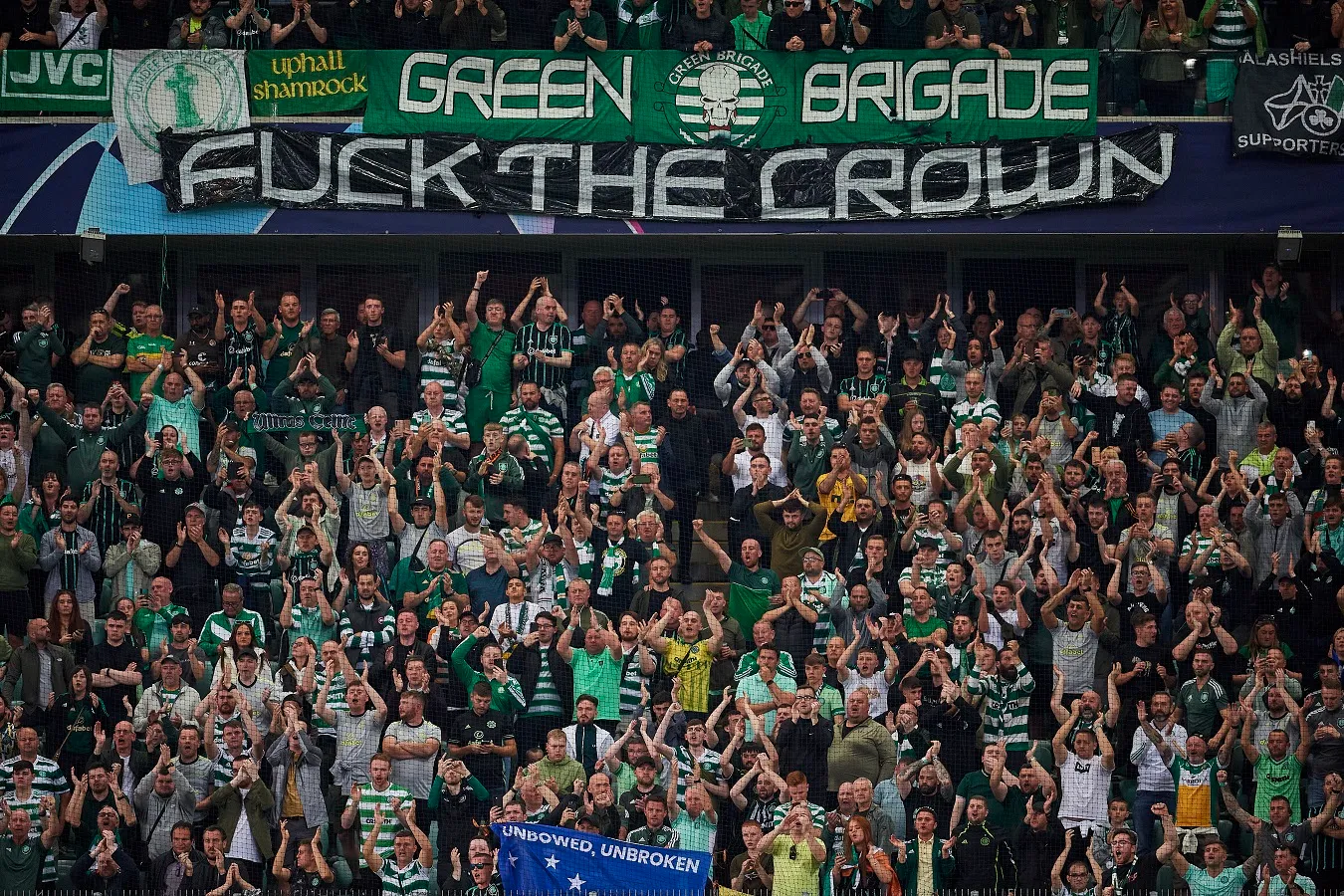
For over a century, football fan culture has lived in the stands: flags, chants, and the raw energy of ultras. But in 2025, fandom is increasingly digital. Crypto tokens, NFTs, and blockchain communities are reshaping how supporters interact with their clubs.
The question is: are these tools uniting fans or splitting them apart?
The Promise of Connection
Crypto-based fan initiatives often promise inclusivity. With a single token, a supporter in Lisbon can vote on kit designs for a club in Turin, or a teenager in Warsaw can unlock behind-the-scenes footage of their favorite team. For global clubs like Real Madrid or Manchester City, this creates a new layer of worldwide community.
Online forums and Discord channels tied to tokens allow fans to meet digitally, breaking barriers of geography and language. For younger fans raised in gaming culture, it feels natural.
Resistance from the Ultras
But inside stadiums, ultras see things differently. Supporter groups in Italy and Germany have openly protested against tokenization, carrying banners reading “Our passion is not for sale.” For them, fandom is about physical presence, not blockchain wallets.
They argue that tokens turn loyalty into a commodity, creating two classes of supporters: those who can pay for digital perks and those who can’t.
Splitting Fanbases
The divide is visible across Europe. While crypto-curious youth embrace digital engagement, traditional fans push back. Some clubs have found themselves caught in the middle: eager to modernize, but wary of alienating loyal terraces.
In Barcelona, fan token experiments have drawn in thousands of buyers worldwide, yet local supporters often remain skeptical. In Germany, where fan ownership rules run deep, resistance has been strongest.
Beyond Europe
Interestingly, clubs in South America and Asia see less backlash. For many fans outside Europe, tokens feel like a chance to get closer to clubs they’ll likely never see live. In Brazil or Indonesia, owning a digital collectible can be a badge of identity.
This contrast shows how cultural context shapes the reception of football’s crypto experiments.
The Verdict
Crypto hasn’t replaced stadium chants, and it never will. But it has added a new layer to fandom, one that risks dividing supporters into digital insiders and traditional outsiders.
The challenge for clubs is to make sure these tools supplement, not replace, real fan culture. After all, without the ultras, football loses its soul.
From Ultras to Online: Can Crypto Unite or Divide Football Fanbases?
By Marco Rossi – Fan Culture & Sponsorship Writer
Football’s Digital Crossroads
For over a century, football fan culture has lived in the stands: flags, chants, and the raw energy of ultras. But in 2025, fandom is increasingly digital. Crypto tokens, NFTs, and blockchain communities are reshaping how supporters interact with their clubs.
The question is: are these tools uniting fans or splitting them apart?
The Promise of Connection
Crypto-based fan initiatives often promise inclusivity. With a single token, a supporter in Lisbon can vote on kit designs for a club in Turin, or a teenager in Warsaw can unlock behind-the-scenes footage of their favorite team. For global clubs like Real Madrid or Manchester City, this creates a new layer of worldwide community.
Online forums and Discord channels tied to tokens allow fans to meet digitally, breaking barriers of geography and language. For younger fans raised in gaming culture, it feels natural.
Resistance from the Ultras
But inside stadiums, ultras see things differently. Supporter groups in Italy and Germany have openly protested against tokenization, carrying banners reading “Our passion is not for sale.” For them, fandom is about physical presence, not blockchain wallets.
They argue that tokens turn loyalty into a commodity, creating two classes of supporters: those who can pay for digital perks and those who can’t.
Splitting Fanbases
The divide is visible across Europe. While crypto-curious youth embrace digital engagement, traditional fans push back. Some clubs have found themselves caught in the middle: eager to modernize, but wary of alienating loyal terraces.
In Barcelona, fan token experiments have drawn in thousands of buyers worldwide, yet local supporters often remain skeptical. In Germany, where fan ownership rules run deep, resistance has been strongest.
Beyond Europe
Interestingly, clubs in South America and Asia see less backlash. For many fans outside Europe, tokens feel like a chance to get closer to clubs they’ll likely never see live. In Brazil or Indonesia, owning a digital collectible can be a badge of identity.
This contrast shows how cultural context shapes the reception of football’s crypto experiments.
The Verdict
Crypto hasn’t replaced stadium chants, and it never will. But it has added a new layer to fandom, one that risks dividing supporters into digital insiders and traditional outsiders.
The challenge for clubs is to make sure these tools supplement, not replace, real fan culture. After all, without the ultras, football loses its soul.