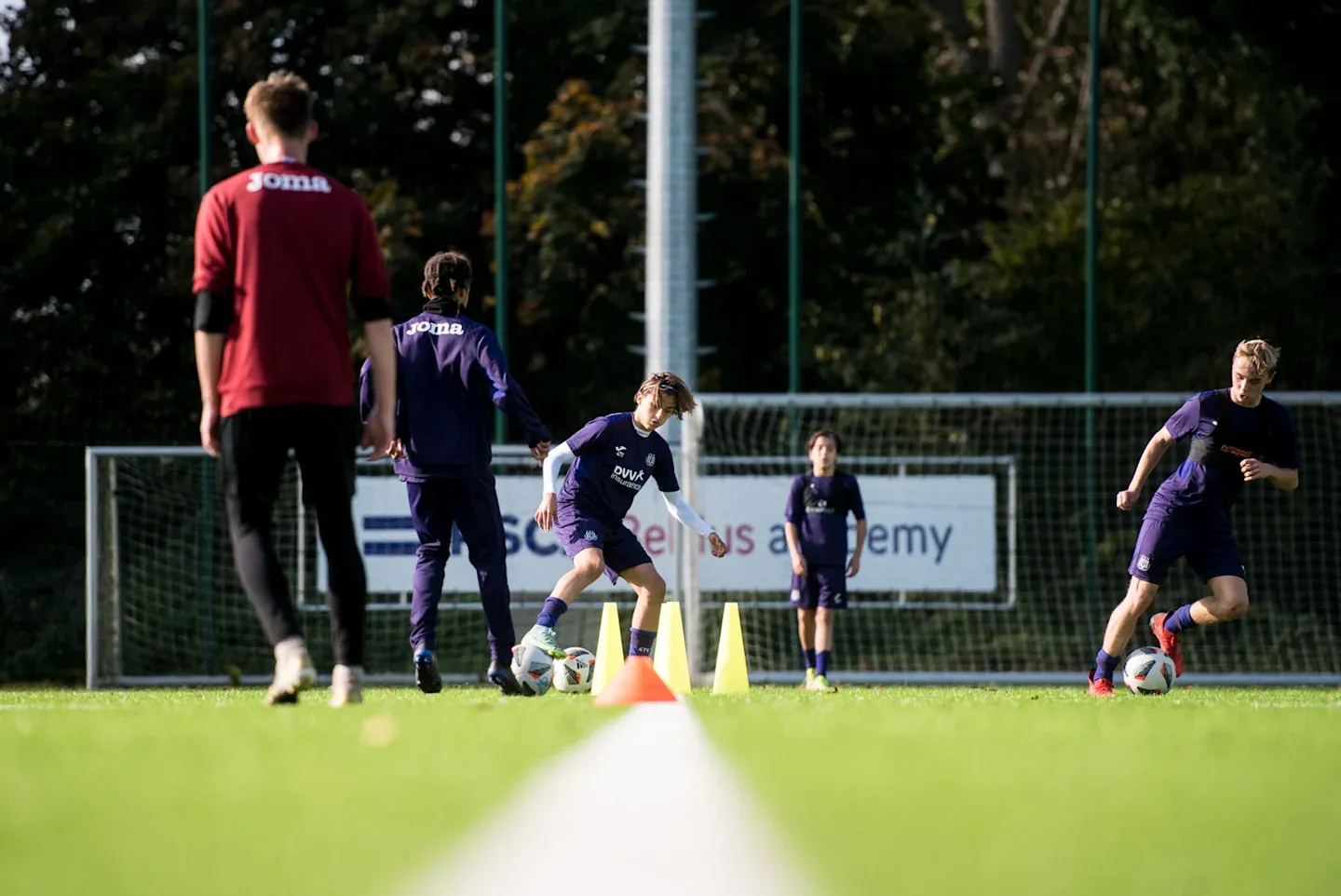
The European Club Association has officially kicked off its second Youth Football Knowledge Exchange in Bilbao, bringing together clubs from across Europe to focus on the future of youth development. The event underlines ECA’s growing commitment to long-term investment in academies and young talent. Bilbao provides a symbolic backdrop, given the city’s strong identity around homegrown players.
The Knowledge Exchange is designed to encourage collaboration between member clubs on youth football strategy. Representatives from academies, technical departments, and club management are sharing insights on player development, education, and welfare. The goal is to move beyond competition and toward shared best practices.
Youth football has become a central pillar of European club sustainability. With transfer costs rising and financial regulations tightening, clubs are increasingly relying on academy systems. ECA views structured knowledge sharing as a way to strengthen the entire football ecosystem.
Bilbao’s hosting role reflects the city’s reputation for youth-focused football culture. Athletic Club’s long-standing emphasis on local talent has made it a reference point for academy development. Participants are expected to draw lessons from both sporting and cultural approaches.
Discussions at the exchange cover a wide range of topics. These include coaching methodologies, talent identification, mental health support, and education alongside football training. Clubs are also examining how to better support young players transitioning to senior football.
Technology and data are playing an increasing role in youth development. Sessions explore how analytics, performance tracking, and digital tools can support decision-making at academy level. The responsible use of technology is a recurring theme.
Financial sustainability is another key focus. Developing players internally can reduce transfer spending and generate long-term value. Clubs are sharing models that balance investment in youth with financial discipline.
Fan engagement also features in the conversations. Homegrown players often strengthen the bond between clubs and supporters. ECA members are examining how youth pathways contribute to identity, loyalty, and long-term fan trust.
The exchange reflects a broader shift in European football governance. Collaboration on youth development is increasingly seen as essential rather than optional. ECA aims to provide a platform where clubs of different sizes can learn from one another.
Participants include clubs from multiple leagues and competitive levels. This diversity allows for comparison between different regulatory environments and development philosophies. Smaller clubs benefit from access to shared expertise.
The Bilbao event builds on the success of the first Youth Football Knowledge Exchange. Feedback from the initial edition highlighted strong demand for continued dialogue. ECA has positioned the program as an ongoing initiative rather than a one-off event.
Youth football is also linked to broader social responsibility goals. Academies play a role in education, inclusion, and community engagement. These dimensions are being discussed alongside sporting performance.
As European football continues to evolve, youth development remains a strategic priority. The Bilbao exchange reinforces the idea that knowledge sharing can raise standards across the game. Strong academies benefit clubs, players, and supporters alike.
Overall, the second Youth Football Knowledge Exchange marks another step in ECA’s long-term vision. By bringing clubs together in Bilbao, the association is reinforcing cooperation at the foundation of the sport. The focus on youth signals where European football sees its future.