

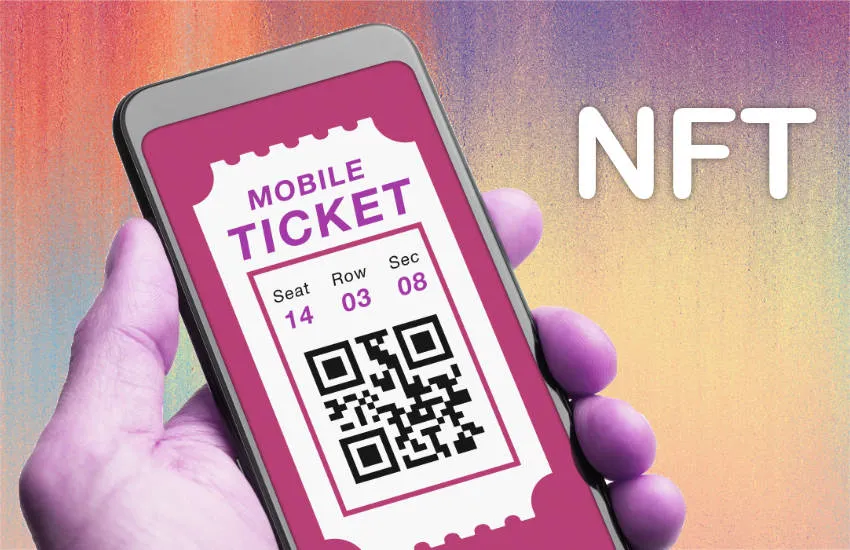
NFT ticketing entered European sports with big promises of fraud prevention, fan engagement, and digital ownership. Clubs and event organizers explored blockchain-based tickets as a way to modernize access to matches while reducing resale abuse. Early pilots generated curiosity but also confusion among fans unfamiliar with the technology.
In 2025, NFT ticketing is no longer a novelty, yet it has not become the standard either. European sports organizations are now evaluating whether NFT tickets are simply experimental add-ons or a foundational shift in how fans access live events. The answer depends on usability, regulation, and whether fans see real benefits beyond the technology itself.
NFT Ticketing Solves Real Problems in Sports Events
The most important argument in favor of NFT ticketing is its ability to address long-standing ticketing issues. Counterfeiting, unauthorized resales, and inflated secondary market prices have plagued European sports for years.
NFT tickets provide verifiable ownership recorded on the blockchain. This makes it extremely difficult to duplicate or forge tickets. Clubs can also control resale conditions, including price caps and transfer rules, helping protect fans from scalping.
These features appeal strongly to clubs and leagues that want greater control over ticket distribution and pricing fairness.
Fan Experience Still Determines Adoption Speed
Despite technical advantages, fan experience remains the biggest barrier. Many supporters care less about blockchain benefits and more about ease of entry on matchday.
If accessing an NFT ticket feels complicated, adoption slows. Wallet setup, key management, and unfamiliar interfaces can frustrate less tech-savvy fans.
European clubs are responding by integrating NFT ticketing into existing apps rather than forcing fans to use separate crypto platforms. Simplification is becoming essential for wider acceptance.
Regulation Shapes How NFT Tickets Are Designed
Regulation across Europe plays a major role in NFT ticketing adoption. Consumer protection laws, data privacy rules, and resale regulations vary by country.
Clubs must ensure NFT tickets comply with local ticketing laws. This includes refund policies, accessibility requirements, and dispute resolution mechanisms.
As regulation becomes clearer, NFT ticketing models are adjusting to fit existing legal frameworks rather than operating outside them. This alignment improves credibility but slows rapid experimentation.
Beyond Entry: NFT Tickets as Engagement Tools
One reason clubs remain interested is that NFT tickets offer more than entry access. They can evolve into digital collectibles tied to specific matches.
Fans may retain NFT tickets as memorabilia, unlocking post-match content, rewards, or future benefits. This transforms tickets from disposable items into lasting digital assets.
For clubs, this opens new engagement opportunities without relying on speculation. Value comes from experience and memory, not resale profit.
Mixed Results From Early European Trials
Early NFT ticketing trials across Europe have produced mixed outcomes. Some events reported reduced fraud and smoother entry processes.
Others struggled with low adoption and fan confusion. Attendance was unaffected, but engagement benefits fell short of expectations.
These trials have helped clubs identify what works and what does not. The focus has shifted from technology showcases to practical deployment that blends into normal ticketing flows.
Cost and Infrastructure Considerations
Implementing NFT ticketing requires investment. Blockchain infrastructure, customer support, and integration with stadium systems add complexity.
For top-tier clubs and major tournaments, these costs may be justified. For smaller clubs, traditional digital ticketing remains more practical.
As infrastructure matures and costs decrease, broader adoption becomes more realistic across different league levels.
Will Fans Actually Demand NFT Tickets?
The future of NFT ticketing depends on whether fans see enough value to care. Most supporters want reliability, affordability, and simplicity above all else.
If NFT tickets improve these aspects without adding friction, adoption will grow naturally. If they feel unnecessary or confusing, they may remain niche.
Clubs increasingly understand that fans should not need to know they are using blockchain for it to work.
Long-Term Outlook for European Sports
NFT ticketing is unlikely to replace traditional tickets overnight. Instead, it may coexist as part of a hybrid model.
High-profile matches, VIP experiences, and special events are the most likely entry points. Over time, familiarity could lead to broader acceptance.
The future is less about technology trends and more about solving real fan problems consistently.
Conclusion
NFT ticketing in European sports is moving beyond experimentation, but it is not yet the default. Its future depends on usability, regulatory alignment, and clear fan benefits. In 2025, NFT tickets are best viewed as an evolving tool rather than a guaranteed replacement. If implemented quietly and effectively, they may become a natural part of the matchday experience.

