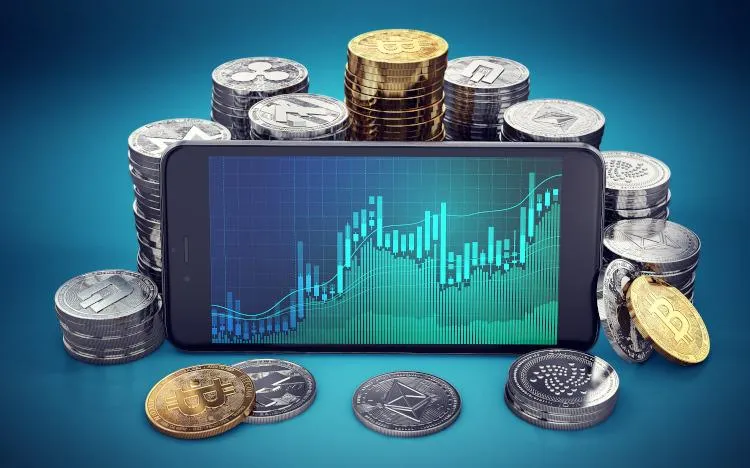
Fan tokens entered European sports with heavy attention on price movement and market performance. Early adoption cycles encouraged fans to watch charts rather than interact with clubs, which created unrealistic expectations and short-term behavior. When prices fell, engagement dropped, exposing a fragile foundation.
In 2025, European clubs are reframing the conversation. Fan tokens are no longer positioned as assets to trade, but as tools to deepen relationships between clubs and supporters. This shift recognizes a core reality of sports culture: emotional connection and participation matter far more than token valuation.
Engagement Is Now the True Measure of Fan Token Success
The most important change in 2025 is how clubs define success. Price is no longer the main benchmark. Instead, engagement metrics such as voting participation, content interaction, and event access are driving strategy.
Clubs have learned that token prices are influenced by broader crypto markets, not fan loyalty. Engagement, however, reflects genuine supporter interest. When fans actively use tokens, the ecosystem remains healthy even during market downturns.
This approach aligns fan tokens with traditional supporter programs, where long-term involvement matters more than financial fluctuation.
Price Volatility Distracted From the Fan Experience
Price-driven narratives damaged fan token credibility. Many supporters felt disappointed when tokens failed to perform financially, even though they were never designed as investments.
This focus distracted clubs from improving the fan experience. Resources went toward launches and promotions instead of long-term engagement planning.
By shifting away from price discussions, clubs are reducing disappointment and resetting expectations around what fan tokens are meant to deliver.
Engagement Builds Emotional Loyalty, Not Speculation
Football fandom is emotional, not transactional. Fans want to feel heard, recognized, and connected to their club.
Engagement-focused fan tokens allow supporters to vote on minor club decisions, access exclusive content, and participate in digital experiences. These interactions reinforce loyalty regardless of market conditions.
When fans associate tokens with memories and participation rather than price, engagement becomes resilient even during losing seasons.
Clubs Are Redesigning Utility Around Participation
European clubs are expanding fan token utility to support regular interaction. Instead of one-off votes, tokens are being integrated into ongoing club activities.
Use cases now include matchday engagement, digital collectibles, priority access to raffles, and community recognition. Some clubs link token activity to real-world rewards, strengthening emotional attachment.
This consistent utility encourages repeat engagement rather than speculative holding.
Engagement Data Helps Clubs Make Better Decisions
Fan token engagement generates valuable insights. Clubs can analyze participation trends to understand what supporters care about most.
This data supports smarter marketing, improved fan services, and more targeted communication. Engagement-driven models allow clubs to respond to fan preferences in real time.
Unlike price data, engagement metrics directly reflect supporter sentiment and satisfaction.
Regulation Is Reinforcing Engagement-First Models
European regulation has accelerated the shift toward engagement. Authorities are increasingly strict about how digital assets are marketed to fans.
By focusing on engagement instead of price, clubs reduce regulatory risk and protect supporters from misleading financial expectations. This approach improves transparency and long-term credibility.
Engagement-first fan tokens are easier to position as loyalty tools rather than speculative products.
Fans Are More Willing to Re-Engage With Clear Value
Fan skepticism remains, but engagement-led programs are rebuilding confidence. Supporters are more open to participating when benefits are clearly explained and consistently delivered.
Clubs that avoid hype and communicate honestly see higher retention rates. Fans appreciate knowing exactly what they are getting from token participation.
This trust-building process takes time but produces more durable relationships.
Long-Term Revenue Depends on Engagement, Not Price
From a business perspective, engagement is more sustainable than price appreciation. Engaged fans spend more on merchandise, tickets, and memberships over time.
Fan tokens that strengthen loyalty support broader revenue streams without relying on market speculation. This makes them more valuable to clubs in the long run.
Price spikes may generate headlines, but engagement generates lasting impact.
What 2025 Signals for Fan Tokens in Europe
In 2025, fan tokens are evolving into digital engagement platforms rather than market-driven assets. Clubs are prioritizing participation, trust, and consistency.
This evolution reflects maturity, not failure. By focusing on engagement, clubs are building foundations that can survive market cycles and regulatory changes.
The success of fan tokens will depend on how well they enhance the supporter experience, not how they trade on exchanges.
Conclusion
In 2025, fan token engagement matters far more than price. European clubs are redefining success by focusing on participation, loyalty, and real fan value. Price volatility may come and go, but engagement builds lasting relationships. Fan tokens that prioritize experience over speculation are the ones shaping the future of digital fandom in football.