

Phil Foden Man City: role, form, and why it matters
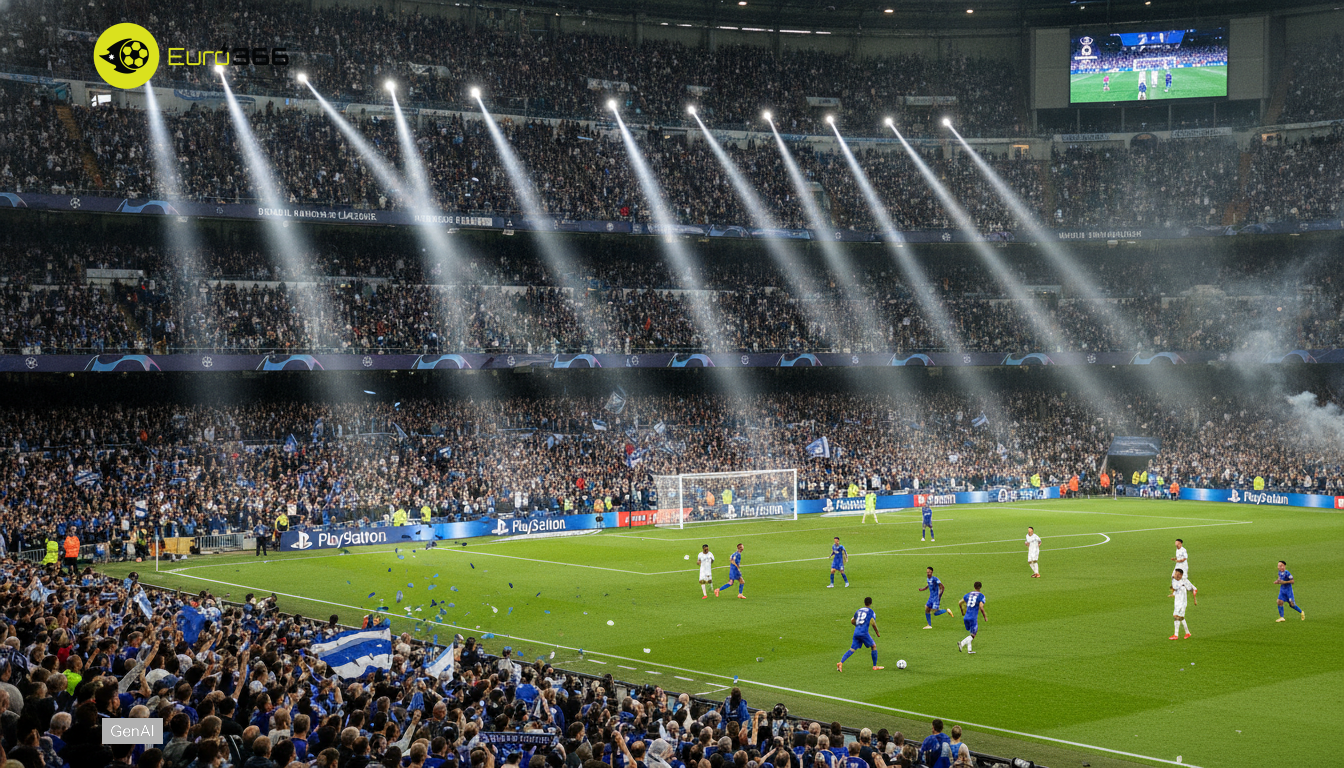
Phil Foden remains central to how Manchester City attack on big European nights, and the discussion is now about more than one decisive goal. The focus is his role across the season, his fit under Pep Guardiola, and how he can help when Erling Haaland is absent or tightly marked, in the phil foden man city spotlight. In the latest Champions League tie, according to UEFA’s official match centre, Foden was credited with the match-winning finish. Beyond that one action, his wider influence was reflected in his movement between the lines, the timing of late box runs, and quick combinations that helped maintain City’s tempo.
Key moments and confirmed match details
City’s breakthrough came from a short passing move that narrowed the back four before Foden finished from inside the box, as recorded by UEFA’s official match centre report. For additional context on how elite ties can swing on one action, the Sky Sports match centre offers a useful comparison of momentum shifts in similar knockout environments. After taking the lead, City appeared to manage the game state with longer possession spells and immediate counter-pressing on turnovers, limiting the opponent’s transitions. Off the pitch, the club’s wider environment also shapes the spotlight, including Manchester City financial breach verdict expected soon in PL as scrutiny continues.
Tactical fit under Pep Guardiola and City’s structure
From the patterns on the pitch, Guardiola’s setup appeared to prioritise spacing and rotation rather than fixed positions, with a right-sided creator moving into half-spaces while a winger held width to stretch the line at the Etihad Stadium. A recurring theme was how quickly City seemed to counter-press after losing possession, often winning second balls to restart attacks without exposing the back line, and those ideas connect to league-level stress tests too, as seen in Manchester City vs Liverpool: City face Anfield heat, where control without a single focal point is examined. In this Phil Foden Man City role, he can start wide, drift inside to receive between the lines, or arrive late as an extra runner, while still working within the press.
What it means for Man City’s season and selection
This result strengthens City’s case that their scoring distribution can hold up when opponents limit the traditional number nine, though that conclusion is best treated as a tactical read rather than a guaranteed trend. When City lead in Europe, the ability to slow the game through controlled circulation can reduce late defensive volume and preserve legs for congested scheduling, and for readers tracking broader Champions League narratives, PSG vs Barcelona preview: tactics, form, and potential outcomes offers a contrasting look at how other contenders solve similar problems. It also widens Guardiola’s selection options because Foden’s positional flexibility can cover multiple plans without forcing wholesale changes elsewhere.
Future outlook for Phil Foden at Man City
According to available reports, Foden’s next step might involve turning nights like this into a repeatable standard across rounds, where the margins are smaller and defensive plans are tailored to stop him at venues like the Etihad Stadium. Guardiola’s wider views on what elite players must do in multiple phases have been shared publicly in various post-match settings, but unless quoted directly it is safer to say he has often stressed that top players should influence games with and without the ball, a standard that frames the phil foden man city storyline. In that context, the storyline is strengthened by his blend of chance creation, late runs, and recovery work. The indicator going forward is not just goals, but whether he can help City progress while maintaining balance when they lose the ball. Online curiosity around his personal life continues, but the football story is clearer: if he sustains decisive actions under pressure, his importance to City’s biggest matches should keep rising.
2 Comments