

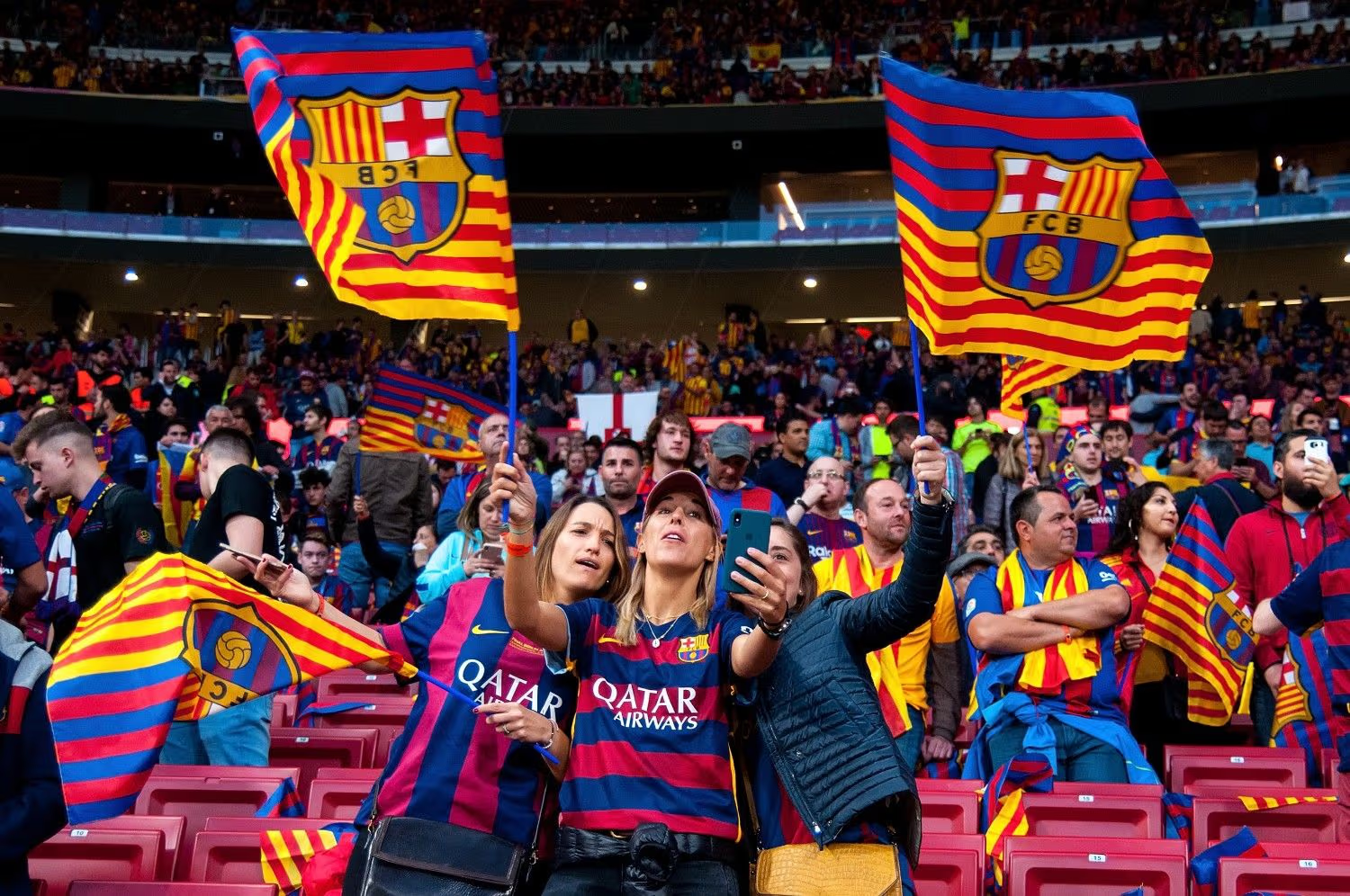
European sports fans are increasingly choosing digital fan tokens over traditional physical merchandise in 2025. Scarves, jerseys, and collectibles still hold emotional value, but digital alternatives offer flexibility and interaction that physical items cannot. This change reflects broader shifts in how fans engage with clubs and express loyalty.
As fan bases become more global and digitally connected, preferences are evolving. Supporters want experiences, access, and recognition rather than just ownership of objects. Fan tokens are meeting these expectations in ways traditional merchandise cannot.
Instant Access and Global Convenience
Fan tokens provide immediate access to club experiences without shipping delays or geographic restrictions. Fans can participate in votes, unlock content, and join digital events instantly. This convenience appeals strongly to international supporters.
Physical merchandise often involves higher costs and logistical challenges. Fan tokens eliminate these barriers. In 2025, ease of access is a major factor influencing fan choices.
Interactive Value Beyond Ownership
Unlike physical items, fan tokens are interactive. They allow fans to influence club decisions, participate in polls, and engage directly with teams. This interaction creates ongoing value rather than a one-time purchase.
Interactive features keep fans engaged throughout the season. Tokens become tools for participation rather than static symbols. This dynamic engagement is a key reason for growing preference.
Personalized Fan Experiences
Fan tokens enable personalized rewards based on engagement. Fans may receive exclusive content or invitations tailored to their activity. This customization makes each supporter’s experience unique.
Physical merchandise is uniform and mass-produced. Tokens, on the other hand, adapt to individual behavior. In 2025, personalization is central to fan satisfaction.
Digital Identity and Community Status
Holding fan tokens represents digital identity within club communities. Token holders often gain recognition through leaderboards or exclusive groups. This status enhances social connection among fans.
Physical merchandise signals support visually, but digital status operates within online spaces where fans increasingly interact. Digital identity has become just as important as physical presence.
Environmental and Practical Considerations
Many fans consider sustainability when choosing how to support clubs. Digital tokens avoid production waste and shipping emissions associated with physical goods. This aligns with growing environmental awareness.
Practicality also plays a role. Digital assets require no storage or upkeep. Fans can support clubs without accumulating physical items.
Challenges and Coexistence With Physical Merchandise
Despite preference shifts, physical merchandise still has a place. Matchday rituals and tangible items remain meaningful. Fan tokens are not replacing merchandise entirely but complementing it.
Clubs are learning to balance both offerings. In 2025, successful strategies integrate digital tokens with physical products, offering combined experiences that appeal to diverse fan preferences.
Conclusion
Fans prefer tokens over physical merchandise because they offer instant access, interaction, and personalization. In 2025, digital engagement aligns more closely with modern fan lifestyles. While physical items retain emotional value, fan tokens are redefining how supporters connect with clubs in a digital-first era.

