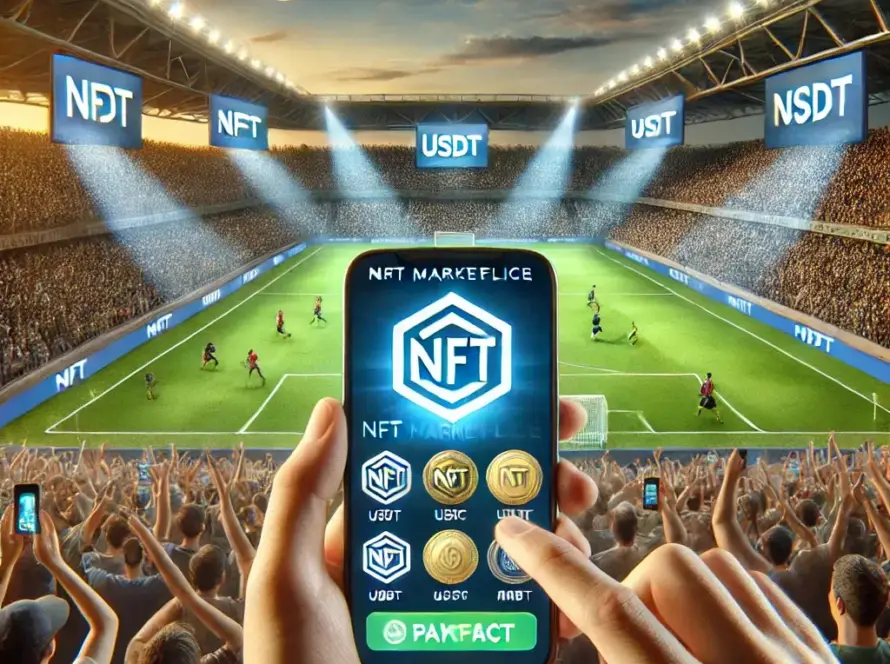
Football leagues across Europe are increasingly experimenting with NFT-based ticketing as part of broader digital transformation strategies. Traditional ticketing systems have long faced issues such as fraud, resale abuse, and limited fan data visibility. NFT ticketing is being explored as a way to address these challenges while introducing new digital experiences for supporters.
Rather than replacing existing systems overnight, most leagues are adopting a trial-based approach. Pilot programs are being launched for select matches, tournaments, or fan events. These controlled experiments allow clubs and leagues to test technology, gather feedback, and assess real-world usability before wider adoption.
Why Leagues Are Testing NFT Ticketing
NFT ticketing offers clear operational advantages for leagues and clubs. Each ticket is recorded on a blockchain, making it easier to verify authenticity and reduce counterfeit risks. This transparency helps protect fans while giving organizers better control over distribution and resale conditions.
Another key benefit is data ownership. NFT tickets allow clubs to retain direct access to fan data rather than relying entirely on third-party ticketing platforms. This enables more personalized communication, targeted offers, and improved understanding of supporter behavior across seasons.
Reducing Fraud and Improving Access Control
Ticket fraud has been a persistent issue, particularly for high-demand fixtures. NFT tickets introduce programmable rules that can limit unauthorized resales or enforce price caps. This helps maintain fair access for genuine supporters while discouraging scalping.
Access control is also becoming more efficient. NFT tickets can be linked to digital wallets and verified instantly at stadium entry points. This reduces manual checks and speeds up entry processes, improving the overall matchday experience.
Enhancing the Fan Experience Beyond Entry
NFT ticketing is not only about access to matches. Many clubs are experimenting with adding digital value to tickets after the event. Match tickets can double as digital collectibles, granting holders access to exclusive content such as highlights, player messages, or commemorative artwork.
Some leagues are exploring post-match utility. Fans who attend games using NFT tickets may receive loyalty rewards, discounts, or priority access to future fixtures. This extends the relationship between clubs and supporters beyond a single matchday.
Integration With Existing Ticketing Systems
Most NFT ticketing trials are designed to complement rather than replace current systems. Fans can still purchase tickets using familiar methods, with the NFT layer operating in the background. This hybrid approach reduces friction and lowers the barrier for less tech-savvy supporters.
Education plays a crucial role in this integration. Clubs are investing in simple onboarding guides and customer support to help fans understand how to use digital wallets. The goal is to ensure that technology enhances convenience rather than creating confusion.
Challenges and Scalability Concerns
Despite its potential, NFT ticketing faces several challenges. Scalability remains a concern, especially for leagues hosting matches with tens of thousands of attendees. Systems must handle high transaction volumes without delays or technical failures.
Environmental concerns have also been raised, prompting leagues to favor energy-efficient blockchain networks. Cost management, user experience, and regulatory compliance continue to shape how quickly NFT ticketing can expand across competitions.
Regulatory and Privacy Considerations
Data protection regulations in Europe require careful handling of fan information. NFT ticketing platforms must comply with privacy laws and ensure secure storage of personal data. Leagues are working closely with legal teams to align digital ticketing models with existing regulations.
Clear communication around data usage is becoming standard practice. Fans are increasingly aware of digital privacy, and transparency is essential to building trust in new ticketing formats.
Conclusion
NFT ticketing experiments are expanding across leagues as clubs seek safer, smarter, and more engaging ways to manage match access. While widespread adoption will take time, early trials highlight strong potential for fraud reduction and fan engagement. Success will depend on usability, compliance, and the ability to enhance rather than complicate the matchday experience.